Start with the product and failure risk
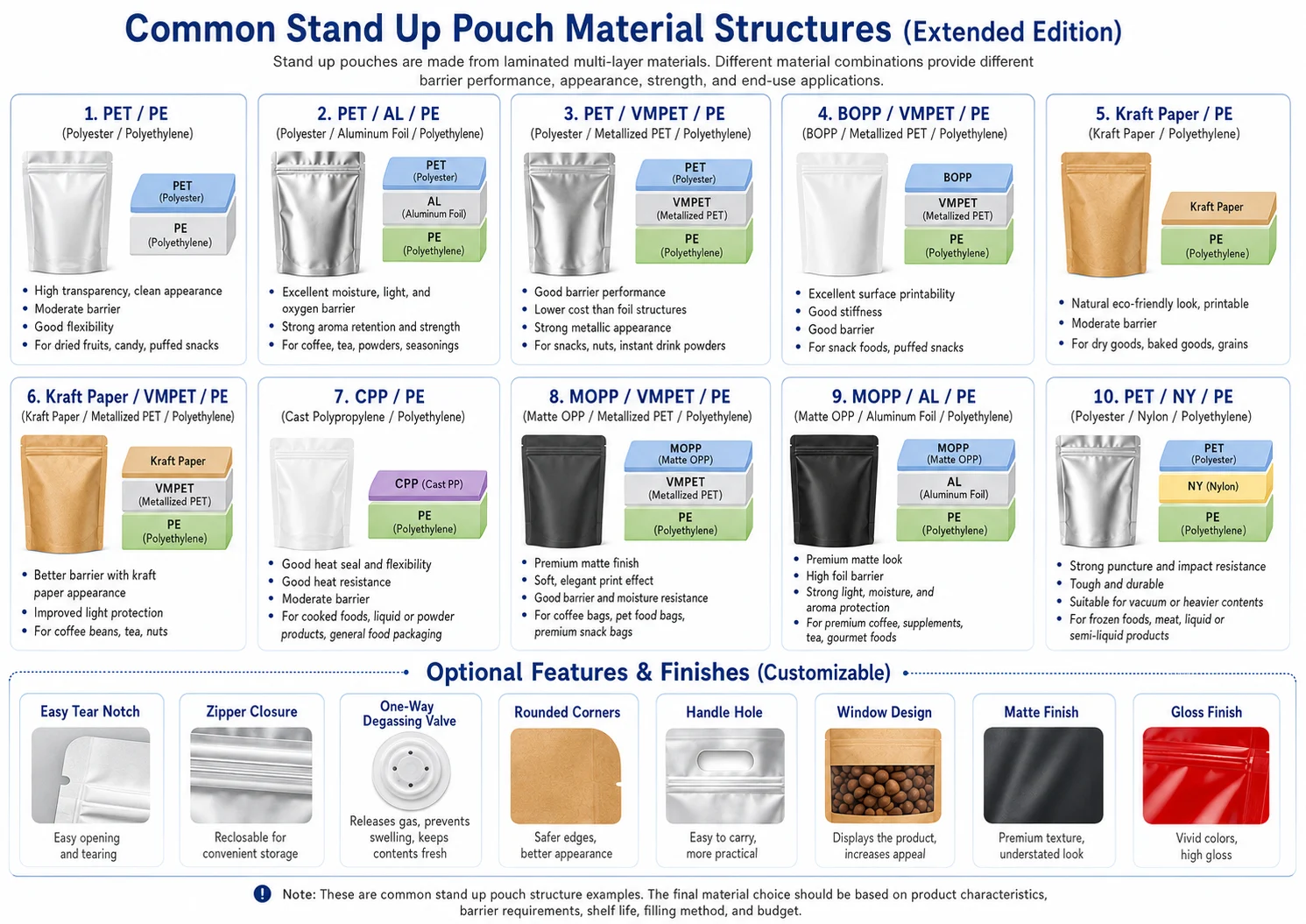
Tell us whether oxygen, moisture, light, aroma loss, grease, puncture, freezing, heat, or pressure can damage the product. We use that risk profile to narrow the material structure and testing plan.
Compare pouch formats, barrier needs, print routes and features, then send the details you know for a focused quotation.
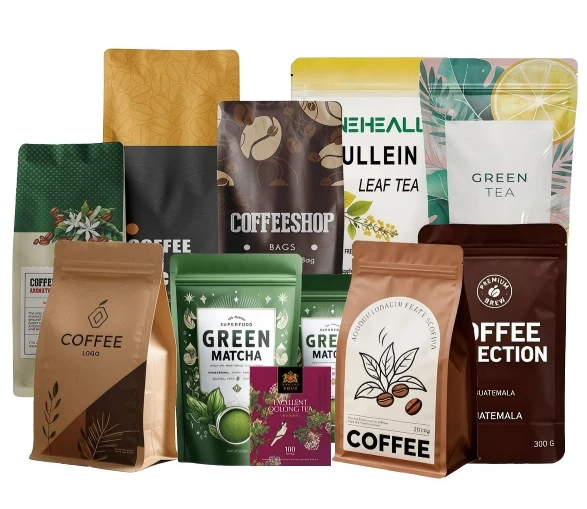
Unique Packaging is a brand of Xiamen Unique Packaging Technology Co., Ltd. Review the existing factory, quality-control and document evidence, then connect it to the exact pouch you want quoted.
Review existing printing, lamination, pouch-making, inspection and sample-room evidence. The applicable route is confirmed against the approved format and structure.
Define material identity, dimensions, print, seals, leakage, features and filled-pack risks. Use the barrier-film guide when oxygen, moisture, light or aroma is critical.
Request documents that match the exact laminate, food or product contact, temperature, destination market and required scope; no blanket certification is assumed.
| Buying decision | What to specify | Evidence or approval path |
|---|---|---|
| Pouch and material | Product, fill weight, format, size, barrier risks, closure and finish. | Material assessment, blank or stock sample, then a filled-pack check. |
| Printing | Quantity per design, artwork status, color and repeat-order plan. | Digital or gravure route, current dieline, proof and approved reference. |
| Quality | Failure modes, test conditions, tolerances and destination requirements. | Written test plan, applicable documents, retained sample and change control. |
| Commercial scope | Quantity, number of designs, delivery destination and target timing. | Typical custom MOQ starts from 500 pieces per design; selected digital structures may be reviewed from 100, subject to the full specification and current production route. |
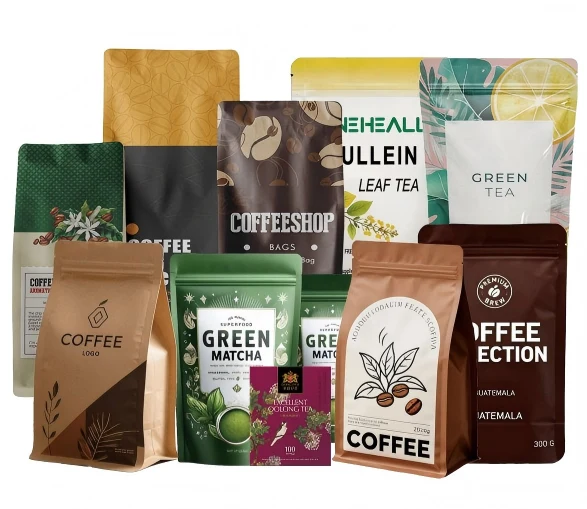 CUS-001
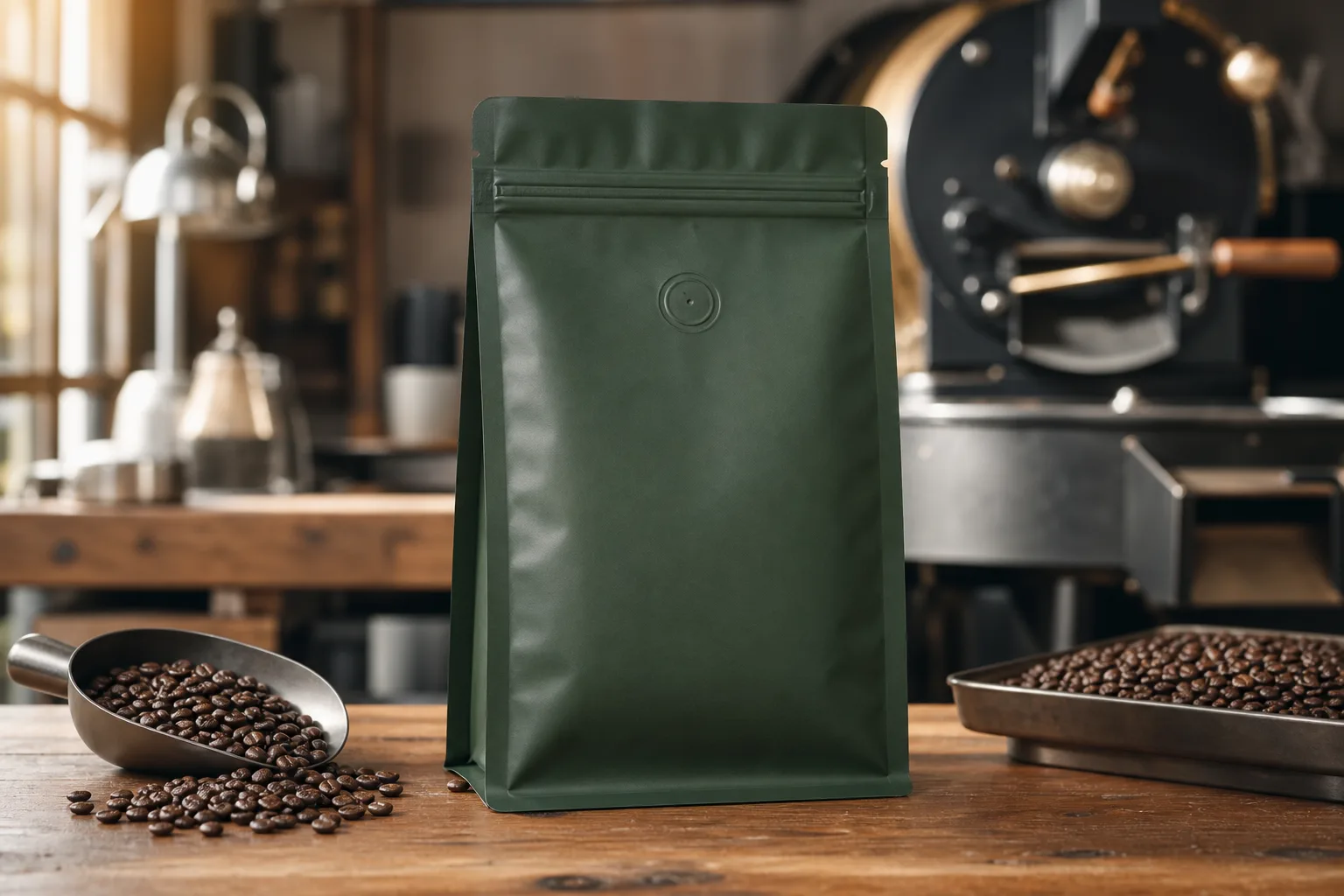
Best for: coffee beans, ground coffee, tea and single-serve formats.
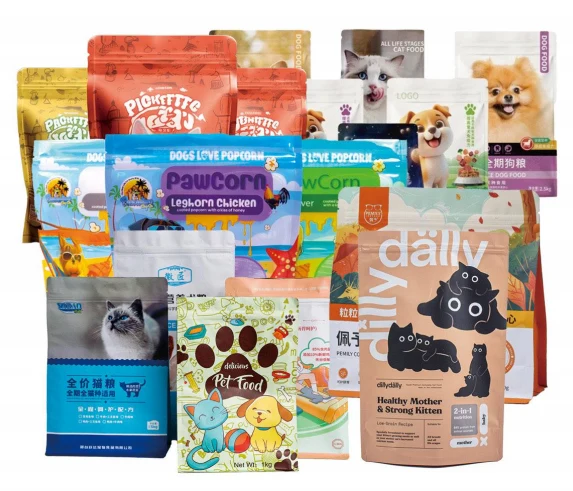 CUS-002
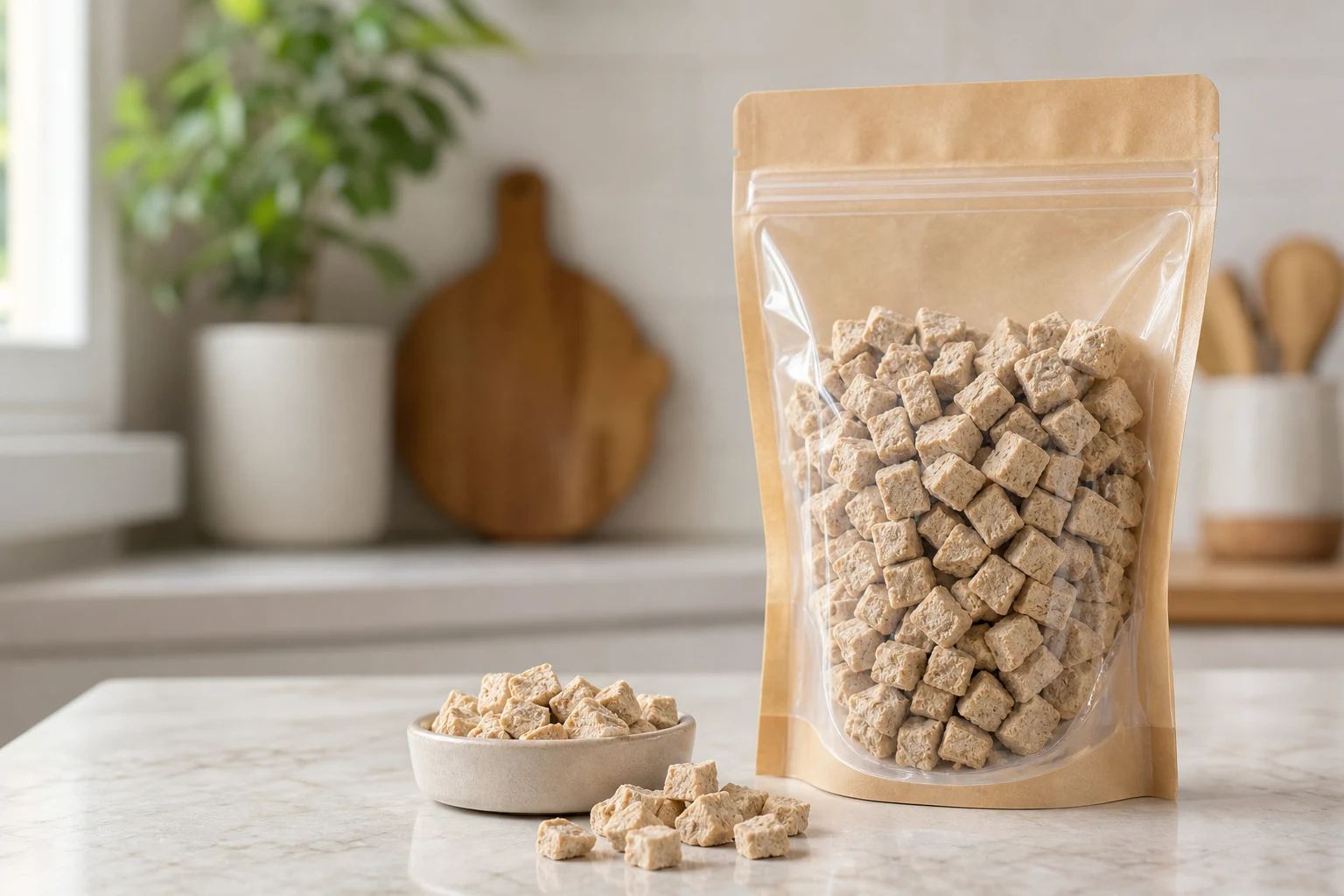
Best for: kibble, freeze-dried treats, jerky and pet supplements.
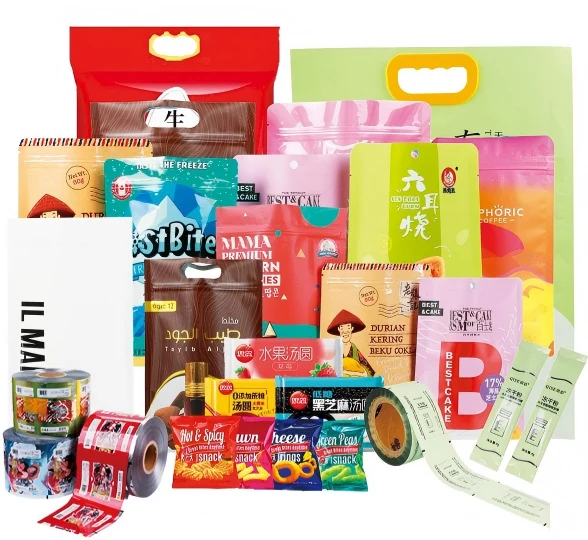 CUS-003
Best for: chips, nuts, dried fruit, candy and granola.
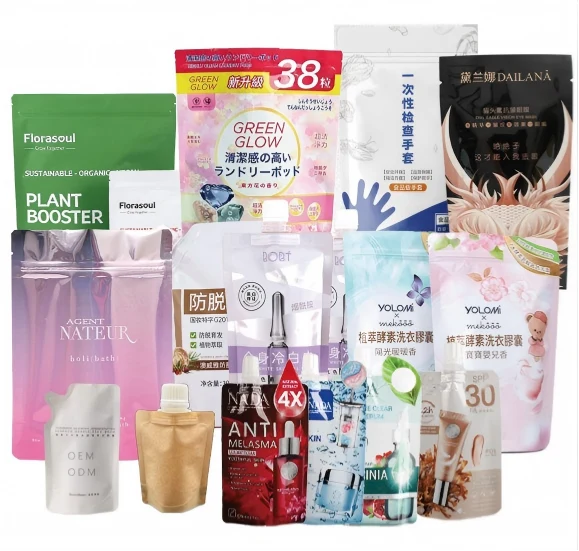 CUS-004
Best for: masks, creams, gels, wipes and refill products.
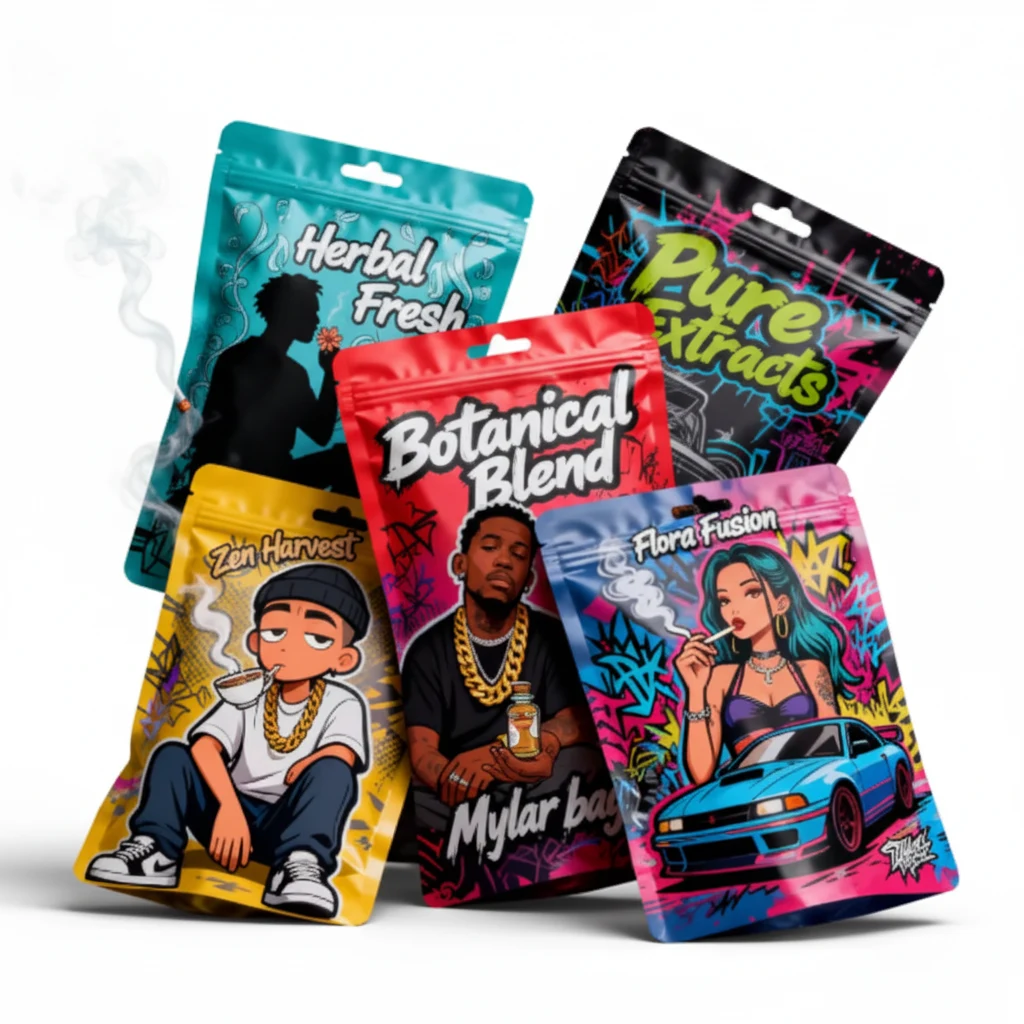 CUS-005
Best for: powders, supplements, candy and sensitive dry products.
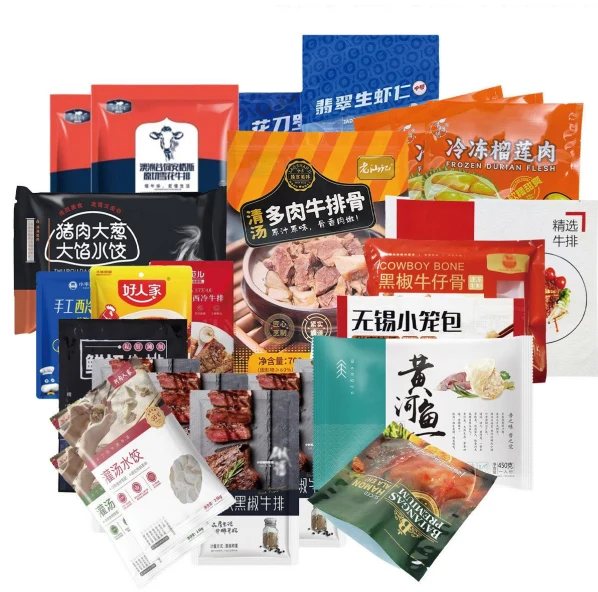 CUS-006
Best for: frozen produce, seafood, meat and ready meals.
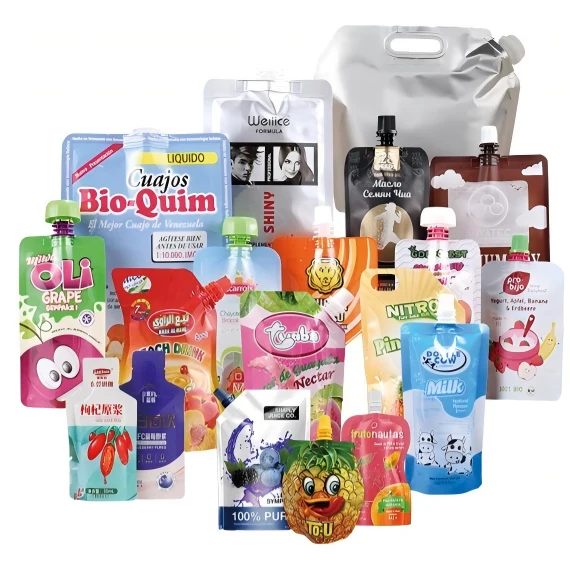 CUS-007
Best for: beverages, sauces, concentrates and liquid refills.
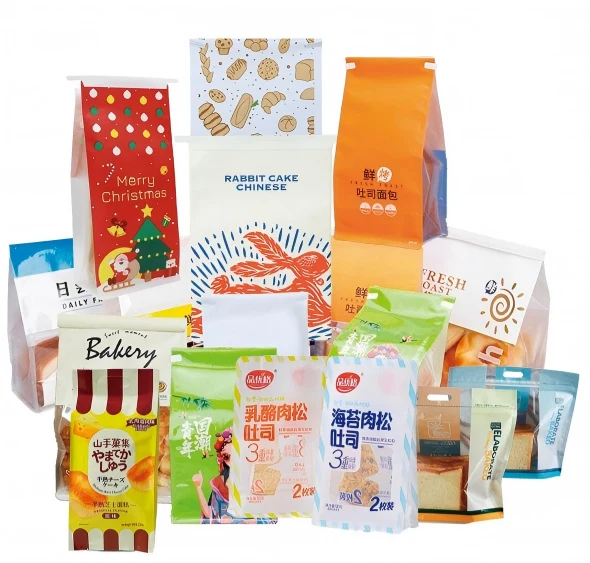 CUS-008
Best for: bread, pastries, tortillas, cookies and baked goods.
Send the product, fill weight and goal. We can review a different pouch format or converting requirement.
These focused pages connect specifications, samples, pricing variables and validation steps to the main product catalog.
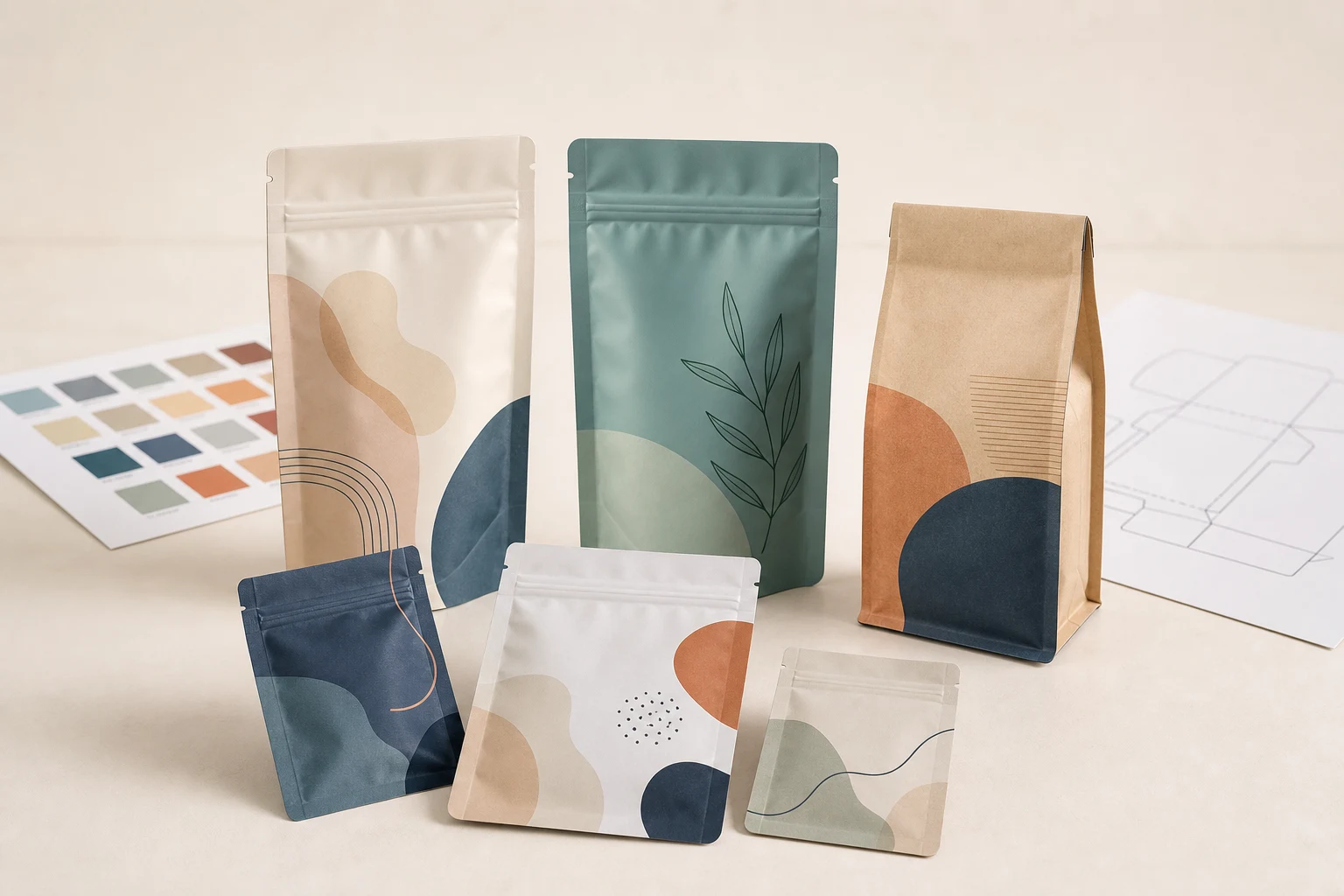
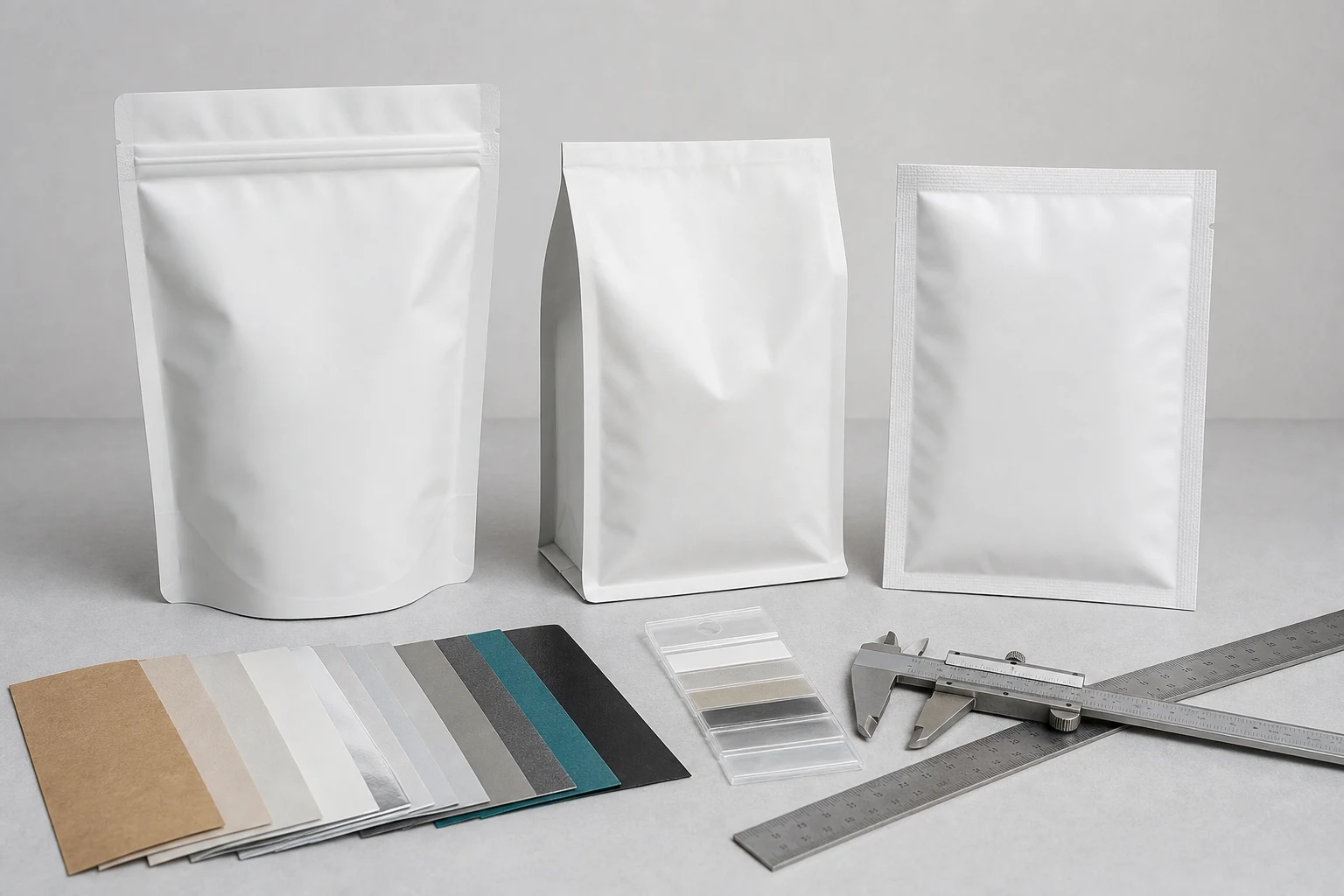
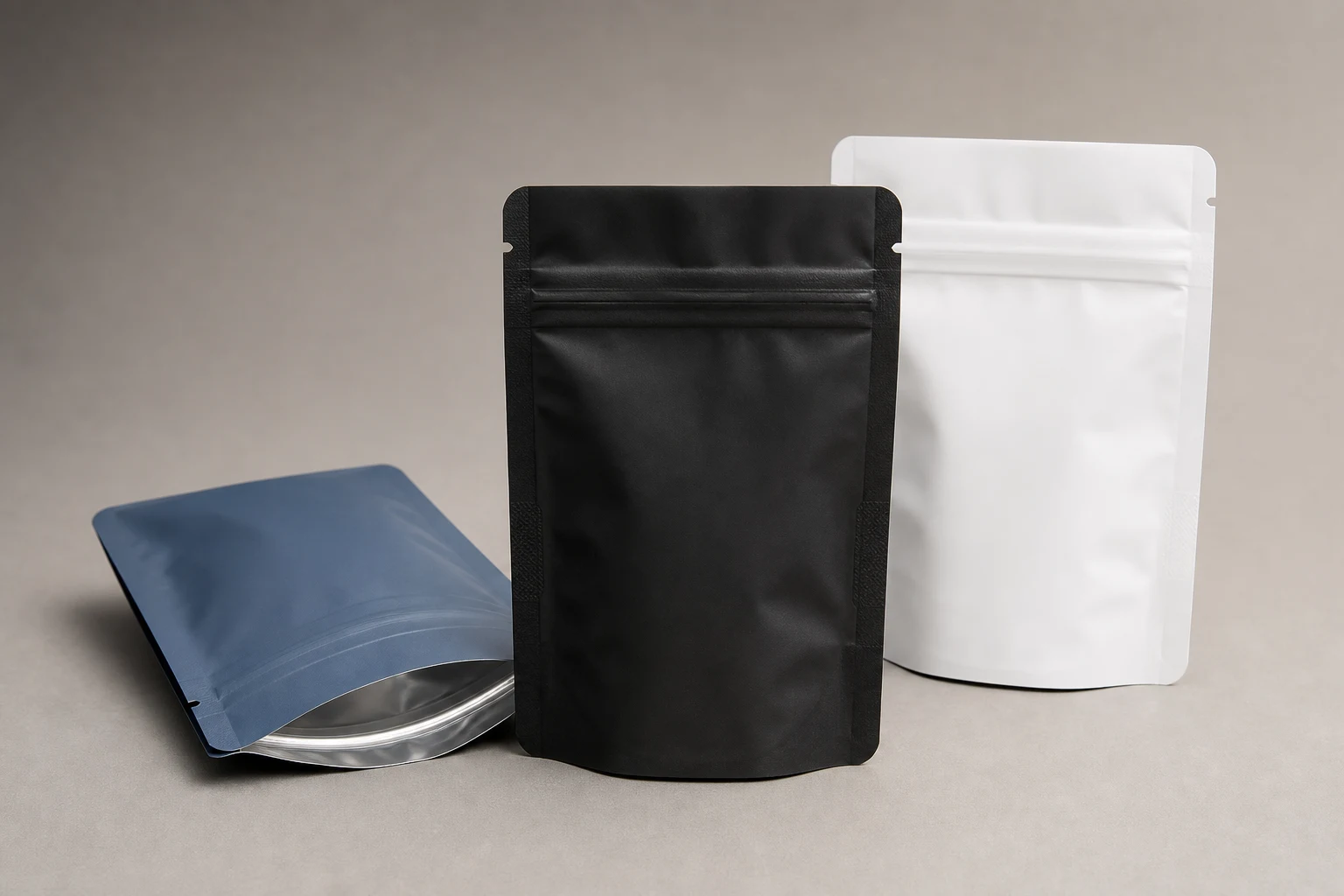
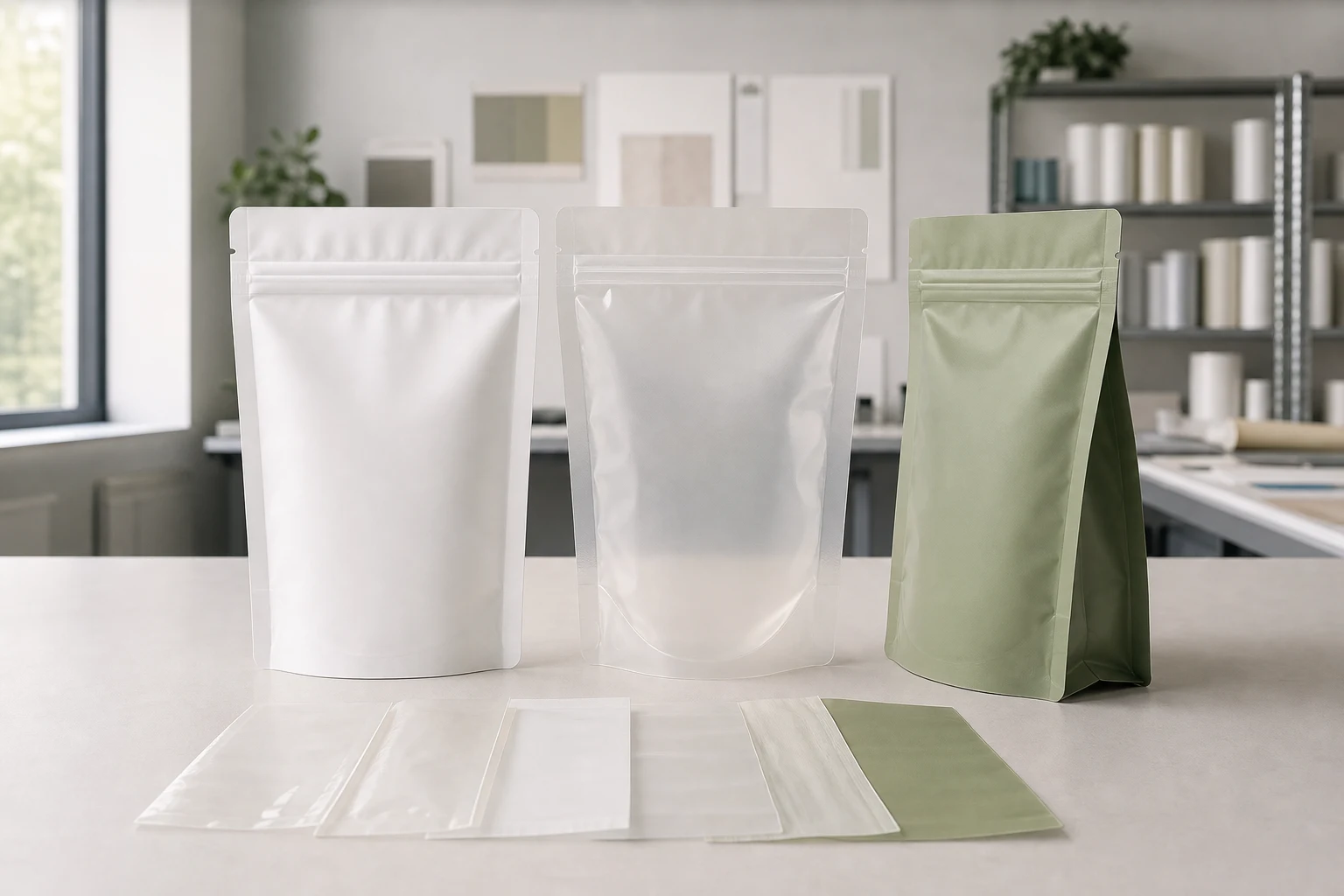
A pouch is a working system. Product chemistry, shelf life, filling equipment, transport, graphics, seals, and closures must support one another. These checks help buyers compare meaningful specifications instead of choosing only by appearance or thickness.
Ask a Packaging EngineerTell us whether oxygen, moisture, light, aroma loss, grease, puncture, freezing, heat, or pressure can damage the product. We use that risk profile to narrow the material structure and testing plan.
Product density changes the volume needed for the same weight. We recommend a real fill test so the gusset opens correctly, the zipper has headspace, and the top seal remains clean.
Manual filling, automatic filling, hot fill, vacuum, nitrogen flushing, and retort processing place different demands on film stiffness, seal range, coefficient of friction, and pouch geometry.
The purchase record should identify size, layer structure, thickness, print standard, finish, zipper, valve or spout, seal requirements, tolerances, and the approved physical sample. This reduces variation on repeat orders.
Clear answers for the buying path on this page.
Share the product, fill weight, pouch format, dimensions, quantity per design, destination market, barrier needs, features and artwork status. Unknown details can stay open for review.
Typical custom printed pouch MOQ starts from 500 pieces per design. Selected digital structures may be reviewed from 100 pieces, subject to the full specification and current production route.
Yes. We review the product, shelf-life target, filling method, storage, distribution, food-contact needs and destination market before recommending a material direction for testing.
Yes. Stock samples can show general construction, a blank size sample can verify fit, and a printed proof can confirm artwork position and finish before production approval.
Use these anonymized real projects to compare pouch format, material, print route, feature placement and validation before you request a quote.
Valve position, zipper clearance, matte print and first-order inventory control.
Moisture, odor, puncture and ecommerce delivery risks for pet treat pouches.
Viscosity, particle size, spout diameter, hot-fill checks and leak testing.
Request up to 3 free stock samples - shipped worldwide, no commitment required.