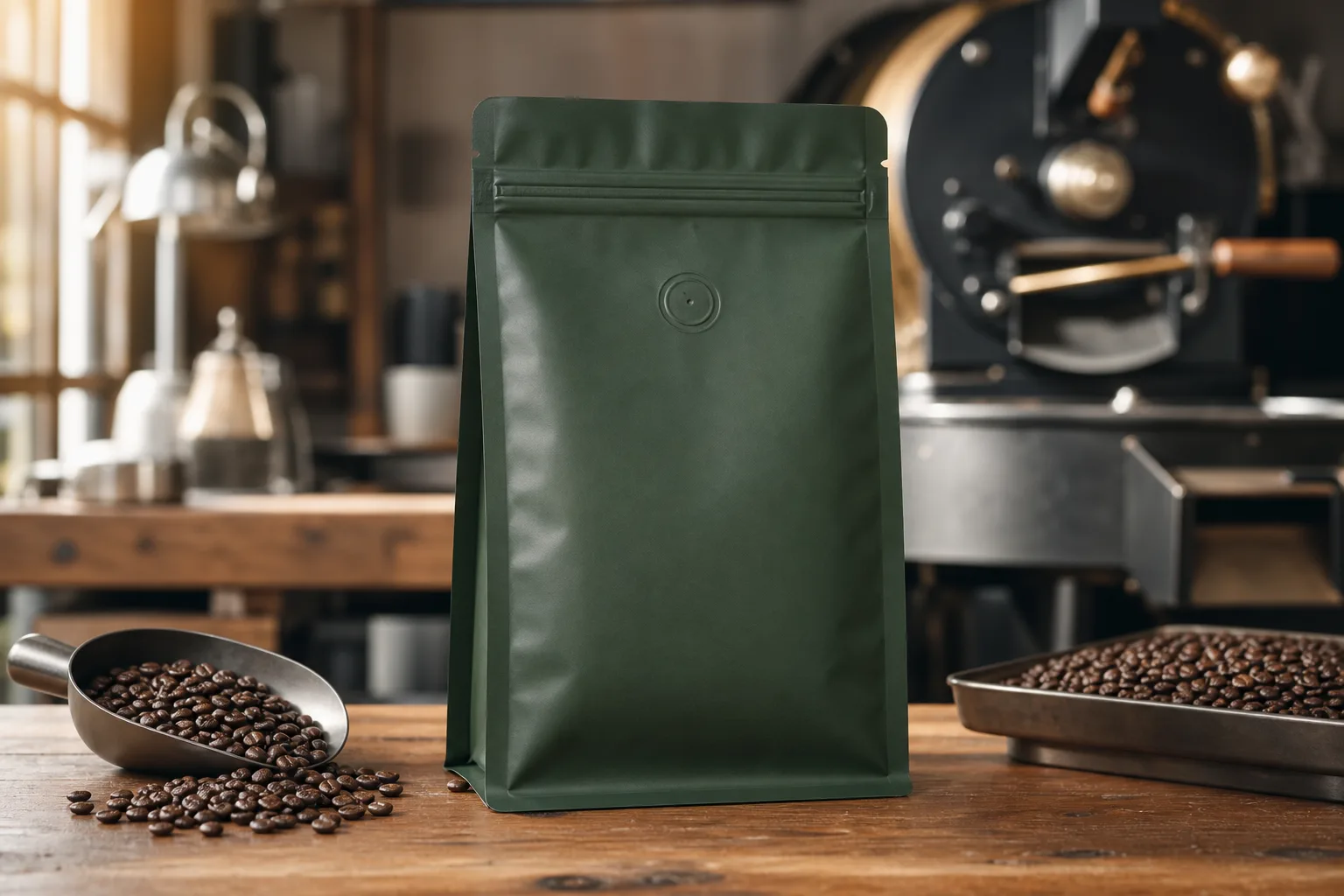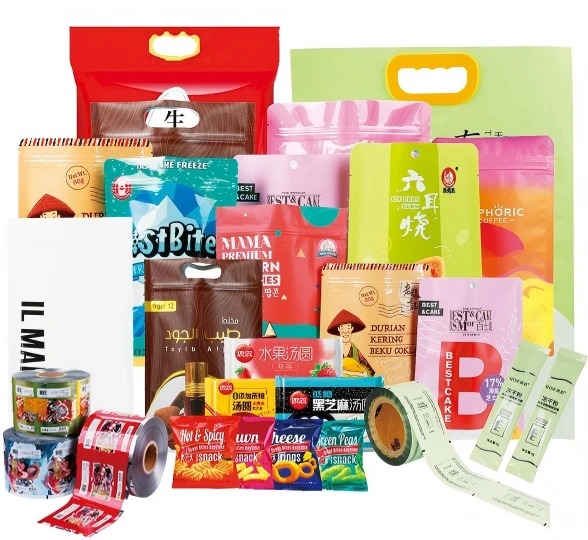
A jerky pouch cannot repair an unvalidated process, and a good product can still disappoint when packaging, handling, label space, or opening use are ignored.
I package beef jerky by starting with the validated product process, then specifying the exact package, seal, fill, label layout, distribution conditions, and filled-pack release checks.
I treat the pouch as a complete system. I confirm the product, material, filling, handling, and customer experience before I approve production.
Why Does Jerky Packaging Start With the Finished Product?
Choosing a pouch first can create false confidence when the product process, final condition, intended storage, and label instructions have not been settled.
I begin with the validated product process, final product condition, target market, storage statement, fill weight, distribution route, and responsible food-safety documentation before selecting a pouch.
Jerky is a processed food, so I do not reduce its safety or shelf stability to a packaging feature. FSIS explains that its small-plant jerky guideline covers the processing steps and scientific support used to develop a safe product. I use that boundary to ask the right package questions: what finished product will enter the pouch, what storage and handling statement applies, how long is the intended route, and which records control the release. The pouch is then specified around an established product plan, not used to invent one.
How I make this decision specific
For “Why Does Jerky Packaging Start With the Finished Product?” in this how do i package beef jerky for retail shelf life review, I define the actual product, pouch configuration, intended use, and decision owner before I ask a supplier or tester for evidence. I keep the selected structure, component details, sample condition, and any stated test method together, then compare the result with the buyer’s actual route rather than a catalogue promise. That record lets me use the flexible-packaging specification-sheet guide as a decision aid and retain a specification that another team member can check.
For How Do I Package Beef Jerky for Retail Shelf Life, I state what is known, the condition it applies to, and what must still be checked with the actual product. I do not transfer a number, a test result, or a feature choice from another product simply because its pouch looks similar. The result of “Why Does Jerky Packaging Start With the Finished Product?” should give the buyer a clear next check, the supplier a precise request, and the project owner a record of the remaining uncertainty.
For How Do I Package Beef Jerky for Retail Shelf Life, I request the exact pouch structure, component specification, and test conditions from the supplier. A broad material name or catalogue claim is not a production specification. The right next step is a representative filled sample, where relevant, with observations recorded before production is approved.
Which Pouch and Seal Details Should I Test?
A generic pouch or zipper choice can create leaks, difficult opening, or inconsistent packs when meat shape, oil, headspace, and final sealing are not tested together.
I test the selected pouch structure, fill profile, headspace, top seal, zipper or opening feature, and carton arrangement on filled production-style samples rather than approving an empty bag.
I map the actual opening sequence before artwork is final. I check whether a first-open feature leaves enough dependable top-seal area and whether a zipper is intended for repeat use rather than treated as the final closure. I inspect the effect of irregular pieces, surface oil, target fill, and headspace on the package. ASTM F88/F88M can support a measured seal-strength comparison when the project requires it, but the selected method and acceptance criteria must be defined for the exact product and configuration.
How I make this decision specific
For “Which Pouch and Seal Details Should I Test?” in this how do i package beef jerky for retail shelf life review, I define the actual product, pouch configuration, intended use, and decision owner before I ask a supplier or tester for evidence. I keep the selected structure, component details, sample condition, and any stated test method together, then compare the result with the buyer’s actual route rather than a catalogue promise. That record lets me use the flexible-packaging specification-sheet guide as a decision aid and retain a specification that another team member can check.
For How Do I Package Beef Jerky for Retail Shelf Life, I state what is known, the condition it applies to, and what must still be checked with the actual product. I do not transfer a number, a test result, or a feature choice from another product simply because its pouch looks similar. The result of “Which Pouch and Seal Details Should I Test?” should give the buyer a clear next check, the supplier a precise request, and the project owner a record of the remaining uncertainty.
How Do I Reserve Enough Label and Traceability Space?
A pouch can be mechanically workable yet still create a retail problem when required copy, coding, barcode, opening cues, and safe areas compete for the same panel.
I map front, back, seal, fold, barcode, lot-code, storage-statement, and opening zones on the current converter dieline before I approve the jerky artwork.
I use the current converter template and keep technical zones separate from consumer-facing graphics. I reserve an appropriate area for the finished product label and traceability information according to the target market and responsible regulatory review. I also protect opening cues, lot-code zones, barcode quiet areas, and fine type from seals and folds. FSIS notes that its guidance is not itself a regulatory requirement, which is why I avoid copying generic wording into a label. I instead require the brand and its regulatory advisers to approve final content for the actual product and market.
How I make this decision specific
For “How Do I Reserve Enough Label and Traceability Space?” in this how do i package beef jerky for retail shelf life review, I define the actual product, pouch configuration, intended use, and decision owner before I ask a supplier or tester for evidence. I keep the selected structure, component details, sample condition, and any stated test method together, then compare the result with the buyer’s actual route rather than a catalogue promise. That record lets me use the flexible-packaging specification-sheet guide as a decision aid and retain a specification that another team member can check.
For How Do I Package Beef Jerky for Retail Shelf Life, I state what is known, the condition it applies to, and what must still be checked with the actual product. I do not transfer a number, a test result, or a feature choice from another product simply because its pouch looks similar. The result of “How Do I Reserve Enough Label and Traceability Space?” should give the buyer a clear next check, the supplier a precise request, and the project owner a record of the remaining uncertainty.
For How Do I Package Beef Jerky for Retail Shelf Life, I treat the filled pack as a separate check from the material data. I record the fill condition, seal area, opening or closure behavior, carton arrangement, handling observations, and limits of the comparison. That prevents a favourable bench result from becoming an unsupported claim about shelf life, transport, or every product route.
How Do I Release a Jerky Pouch for Retail?
An empty pouch sample does not show how a final pack behaves after filling, sealing, cartoning, shelf handling, and a customer opening it at home.
I release a jerky pouch only after I record the exact product, structure, dimensions, fill, seal settings, artwork, carton pack, observations, and acceptance decision for filled samples.
I perform a project-specific release check. I inspect seal continuity, corner stress, pouch appearance, code legibility, opening behavior, reclosure if included, and carton contact. I retain the selected configuration with the order records. I also note the limits of the test: a transit simulation or a short display review cannot prove safety or a universal shelf life. If the product recipe, processing plan, fill, pouch material, closure, artwork, or route changes, I repeat the relevant review rather than assuming the former result transfers.
How I make this decision specific
For “How Do I Release a Jerky Pouch for Retail?” in this how do i package beef jerky for retail shelf life review, I define the actual product, pouch configuration, intended use, and decision owner before I ask a supplier or tester for evidence. I keep the selected structure, component details, sample condition, and any stated test method together, then compare the result with the buyer’s actual route rather than a catalogue promise. That record lets me use the flexible-packaging specification-sheet guide as a decision aid and retain a specification that another team member can check.
For How Do I Package Beef Jerky for Retail Shelf Life, I state what is known, the condition it applies to, and what must still be checked with the actual product. I do not transfer a number, a test result, or a feature choice from another product simply because its pouch looks similar. The result of “How Do I Release a Jerky Pouch for Retail?” should give the buyer a clear next check, the supplier a precise request, and the project owner a record of the remaining uncertainty.
For How Do I Package Beef Jerky for Retail Shelf Life, I preserve the final decision in a written brief that names the approved sample, conditions, observations, open risks, and change triggers. I then use the seal-leak prevention guide to keep the quotation tied to the evidence rather than to a remembered sample or a generic product name.
Conclusion
I choose packaging through evidence, filled-pack testing, and clear specifications. That process protects the product, the launch, and the customer experience.
Sources and Further Reading
- USDA FSIS, compliance guideline for meat and poultry jerky.
- Reddit r/jerky, jerky packaging community discussion.
- USDA FSIS, meat and poultry packaging materials.
- ASTM F88/F88M, seal strength of flexible barrier materials.
- FDA, food packaging and other food-contact substances.
- Unique Packaging specification-sheet guide.
- Unique Packaging seal-leak guide.
Need a pouch specification?
I can review your product, size, quantity, artwork, and target market.