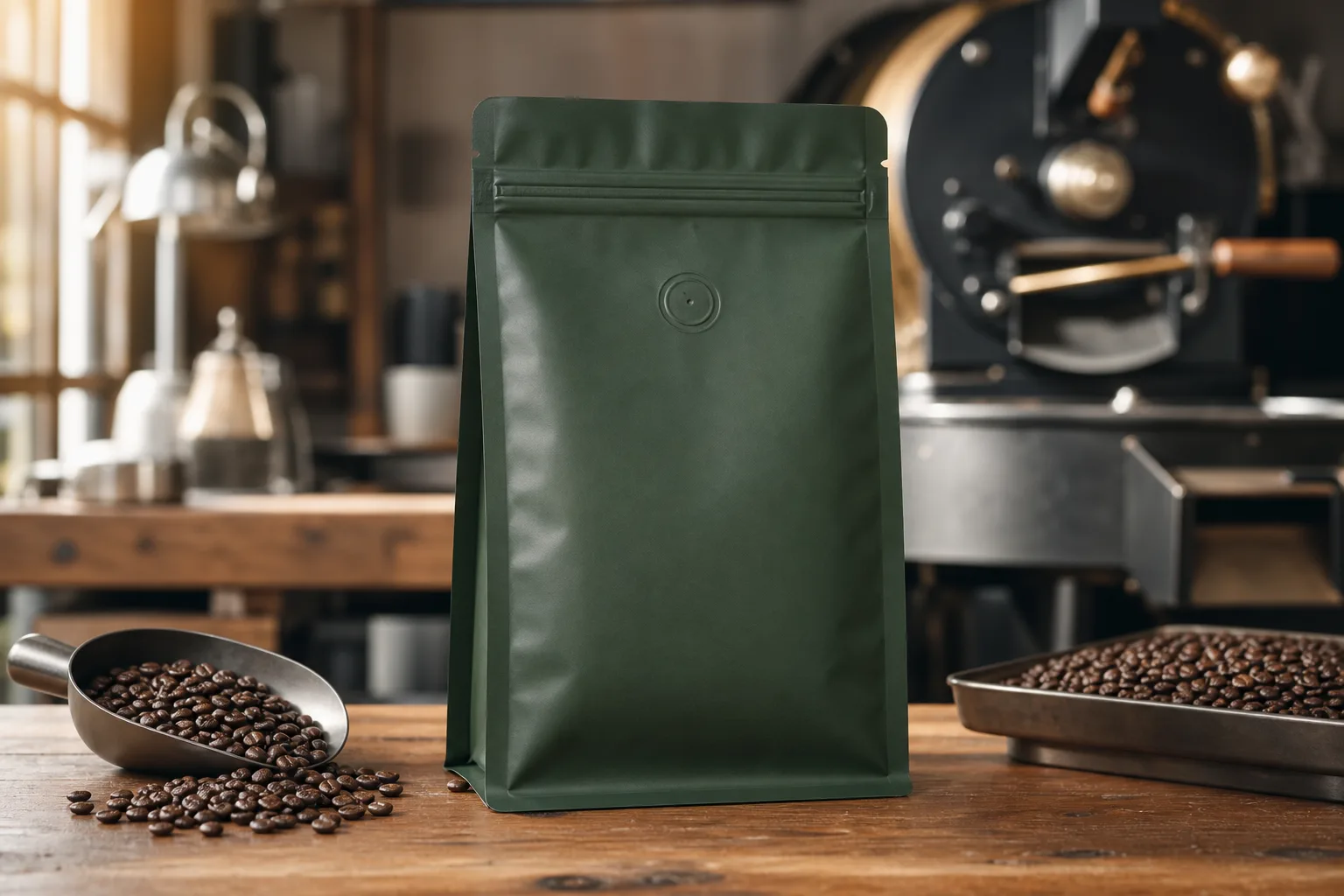
A vague pouch brief can produce a beautiful sample that still fails when the film, dimensions, artwork, seal, or carton detail changes without control.
I include product use, pouch geometry, material structure, components, artwork revision, measurable requirements, test methods, packing, approval evidence, and change control in a flexible packaging specification sheet.
I treat the pouch as a complete system. I confirm the product, material, filling, handling, and customer experience before I approve production.
Which Product and Pouch Details Must Be Defined?
A pouch name and a rough size are not enough when product density, sealing, components, and filled shape all influence the finished result.
I define the product, target market, pouch format, finished dimensions, tolerances, fill condition, material structure, thickness, sealant, closure, and functional features before I request production approval.
I begin with what goes inside the pouch and how it will be filled, stored, shipped, opened, and reused. I then state the pouch style and the dimensions that matter after filling, not just on a flat drawing. I identify each material layer and component by a controlled description rather than a broad trade name. If the project needs barrier, puncture, opening, or seal performance, I name the test condition and acceptance idea instead of leaving it as a general promise.
How I make this decision specific
For “Which Product and Pouch Details Must Be Defined?” in this what should a flexible packaging specification sheet include review, I define the actual product, pouch configuration, intended use, and decision owner before I ask a supplier or tester for evidence. I keep the selected structure, component details, sample condition, and any stated test method together, then compare the result with the buyer’s actual route rather than a catalogue promise. That record lets me use the pre-production packaging tests guide as a decision aid and retain a specification that another team member can check.
For What Should a Flexible Packaging Specification Sheet Include, I state what is known, the condition it applies to, and what must still be checked with the actual product. I do not transfer a number, a test result, or a feature choice from another product simply because its pouch looks similar. The result of “Which Product and Pouch Details Must Be Defined?” should give the buyer a clear next check, the supplier a precise request, and the project owner a record of the remaining uncertainty.
For What Should a Flexible Packaging Specification Sheet Include, I request the exact pouch structure, component specification, and test conditions from the supplier. A broad material name or catalogue claim is not a production specification. The right next step is a representative filled sample, where relevant, with observations recorded before production is approved.
How Should I Control Artwork and Print Requirements?
The printed pouch can drift when artwork, dielines, finish, barcode areas, and variable-data zones live in separate emails with no release owner.
I link the current dieline and artwork revision to the specification, then identify print process, color references, finish, safe areas, barcode zone, code area, proof, and the person authorized to approve changes.
I keep the technical pouch record and the artwork record connected but distinct. The package sheet states what physical pouch and print result are required. The artwork file provides the visual instructions on the approved current dieline. I ask the supplier to flag any conflict between the art and seals, folds, zipper, window, valve, tear notch, or code area before printing. I retain an approved proof and a physical sample when color or finish is important.
How I make this decision specific
For “How Should I Control Artwork and Print Requirements?” in this what should a flexible packaging specification sheet include review, I define the actual product, pouch configuration, intended use, and decision owner before I ask a supplier or tester for evidence. I keep the selected structure, component details, sample condition, and any stated test method together, then compare the result with the buyer’s actual route rather than a catalogue promise. That record lets me use the pre-production packaging tests guide as a decision aid and retain a specification that another team member can check.
For What Should a Flexible Packaging Specification Sheet Include, I state what is known, the condition it applies to, and what must still be checked with the actual product. I do not transfer a number, a test result, or a feature choice from another product simply because its pouch looks similar. The result of “How Should I Control Artwork and Print Requirements?” should give the buyer a clear next check, the supplier a precise request, and the project owner a record of the remaining uncertainty.
Which Tests, Packing Details, and Changes Belong on the Sheet?
A specification cannot protect a reorder if it omits how performance was checked, what passed, and which changes require the team to stop and review.
I record named test methods and limits where needed, the filled sample condition, visual acceptance, carton pack, traceability, retained reference, approval date, and every change that requires requalification.
I choose checks that fit the product risk. That may include dimensions, visual seal continuity, seal strength, leak detection, barrier evidence, print adhesion, barcode scan review, opening behavior, and transport handling. I state whether the sample was empty or filled and include the carton orientation or count when it affects the result. Finally, I define the trigger for a new review: a film, thickness, adhesive, ink, zipper, dimension, artwork, filling condition, or packing change should never be invisible.
How I make this decision specific
For “Which Tests, Packing Details, and Changes Belong on the Sheet?” in this what should a flexible packaging specification sheet include review, I define the actual product, pouch configuration, intended use, and decision owner before I ask a supplier or tester for evidence. I keep the selected structure, component details, sample condition, and any stated test method together, then compare the result with the buyer’s actual route rather than a catalogue promise. That record lets me use the pre-production packaging tests guide as a decision aid and retain a specification that another team member can check.
For What Should a Flexible Packaging Specification Sheet Include, I state what is known, the condition it applies to, and what must still be checked with the actual product. I do not transfer a number, a test result, or a feature choice from another product simply because its pouch looks similar. The result of “Which Tests, Packing Details, and Changes Belong on the Sheet?” should give the buyer a clear next check, the supplier a precise request, and the project owner a record of the remaining uncertainty.
For What Should a Flexible Packaging Specification Sheet Include, I treat the filled pack as a separate check from the material data. I record the fill condition, seal area, opening or closure behavior, carton arrangement, handling observations, and limits of the comparison. That prevents a favourable bench result from becoming an unsupported claim about shelf life, transport, or every product route.
Conclusion
I choose packaging through evidence, filled-pack testing, and clear specifications. That process protects the product, the launch, and the customer experience.
Sources and Further Reading
- Sterilization Packaging Manufacturers Council, writing a preformed package specification.
- Reddit r/PackagingDesign, packaging production template community discussion.
- ASTM F88/F88M, seal strength of flexible barrier materials.
- ASTM F2203, linear measurement using a precision steel rule.
- FDA, food packaging and food-contact substances.
- Unique Packaging quality control.
- Unique Packaging custom pouch dieline guide.
Need a pouch specification?
I can review your product, size, quantity, artwork, and target market.