A pouch can pass artwork approval and still leak when heat, pressure, dwell time, film, or filling dust is wrong.
I prevent flexible packaging seal leaks by matching the sealant to the product, locking the seal window, controlling contamination, testing filled samples, and recording production checks before release.
I treat leak prevention as a system. The best result comes from material choice, machine control, operator discipline, and clear evidence.
What Causes Flexible Packaging Seal Failure?
Seal leaks usually look random, but most start with a small process or material mismatch that repeats.
The common causes are low heat, excess heat, weak pressure, short dwell time, seal contamination, wrinkles, poor film choice, bad zipper placement, and rough handling.
I start every leak review by separating the symptom from the cause. A channel leak at the top seal is different from a pinhole near a gusset. A zipper leak is different from a delamination problem. A pouch that opens during shipping is different from a pack that leaks oil through a damaged corner. If I call all of them seal failure, I will chase the wrong fix.
The heat seal is a relationship between the sealant layer, heat, pressure, dwell time, jaw design, product weight, and cooling. Too little heat can leave a cold seal. Too much heat can distort the sealant, thin the edge, or make the film brittle. Weak pressure can leave unbonded areas. Too much pressure can squeeze material away from the seal. Short dwell time can be a problem on faster lines. Long dwell time can hurt sensitive structures. I do not judge one setting alone. I test the actual operating window.
I look for the repeat pattern
I inspect where the leak appears. If leaks repeat at the same corner, I check pouch geometry, gusset fold, jaw contact, and filled-pack stress. If they appear near powder or oil, I check product contamination in the seal area. If they appear after distribution, I check carton packing, drop exposure, and headspace. ASTM F88/F88M is a standard method used to measure seal strength in flexible barrier materials, so I use that type of evidence when a project needs a numeric seal-strength comparison.1
I also check the material approval trail. FDA explains that food-contact materials are regulated according to intended use and applicable conditions, so I do not treat a generic food-grade statement as enough for every product.2 The chosen sealant must fit the product, temperature, filling speed, and shelf-life target. A dry snack, oily powder, acidic sauce, frozen food, and coffee bean can all ask different things from the seal. That is why I connect leak prevention with the quality control process before I approve production.
How Should I Choose the Right Film and Sealant?
A strong machine setting cannot rescue a structure that was never right for the product or filling line.
I choose film by product contact, barrier need, sealant type, thickness, stiffness, hot tack, zipper fit, and the exact sealing equipment used.
I choose the structure before I fine-tune the machine. The outside layer may carry print and stiffness. The middle layer may provide oxygen, moisture, light, grease, aroma, or puncture protection. The inside layer must seal reliably and touch the product safely. If the inside layer is wrong, the pouch may look premium and still fail. I ask the supplier to state the actual structure, total thickness, sealant type, and intended use. I also ask whether the structure has been run on similar filling and sealing equipment.
Hot tack matters when the pouch is stressed before the seal cools. A line that fills hot, heavy, dusty, or fast product may pull on the seal while it is still weak. A sealant that looks fine in a slow sample room may fail on a production line. I ask for a sample run at realistic speed. I also ask where the zipper, valve, tear notch, and side gusset sit relative to the seal bars. These features can add thickness changes that interrupt pressure.
I match structure to the failure mode
| Product condition | Seal risk | What I verify |
|---|---|---|
| Powder or flour | Contamination in the top seal. | Filling control, static, dust extraction, and wider seal area. |
| Oily food | Oil weakens seal contact. | Oil-resistant structure, clean seal zone, and hold time. |
| Frozen food | Flex cracks and cold stress. | Low-temperature toughness and shipping simulation. |
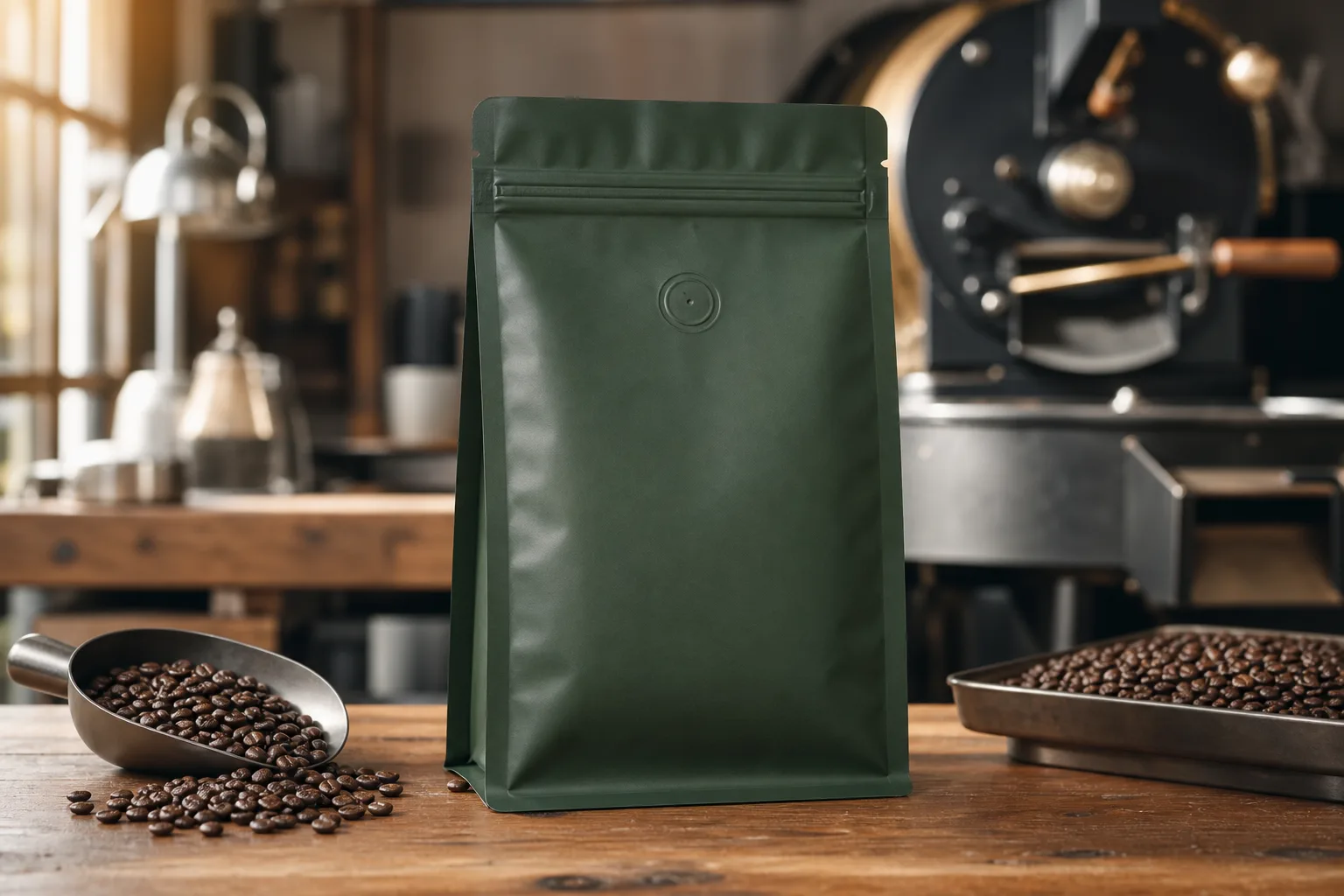
| Coffee beans | Gas pressure and corner stress. | Valve, headspace, barrier, and carton orientation. |
The table keeps me honest. I do not ask for one universal laminate. I ask for the structure that fits the product and the process. The barrier film guide helps compare oxygen and moisture needs, but seal integrity is its own decision. I still need real pouch samples, filled-pack tests, and a final specification. When a supplier changes the film, sealant, zipper, coating, or thickness after approval, I require a new test. Small material changes can move the seal window enough to create leaks.
Which Seal Settings Should I Lock Before Production?
Line teams often adjust heat by feel, and that can hide a narrow process window until a full order fails.
I lock temperature, pressure, dwell time, jaw condition, cooling, line speed, seal width, and acceptable seal-strength range before mass production.
I do not approve a seal by one clean sample. I build a seal window. First I ask for the normal temperature, pressure, dwell time, and line speed. Then I test slightly lower and slightly higher settings. I want to see where the seal becomes weak, where it becomes distorted, and where it stays stable. A wide window is easier to control. A narrow window needs stricter monitoring, slower speed, or a better structure.
Jaw condition is part of the setting. Worn Teflon tape, uneven jaw faces, bad alignment, dirty bars, and poor temperature distribution can create local leaks. The machine display may show the target temperature while one edge is cooler than the other. I ask operators to check jaw surface, pressure balance, and actual seal appearance during startup. If the product has gussets or zippers, I pay special attention to thickness transitions. Those areas need enough pressure without crushing the film.
I approve startup evidence, not only final cartons
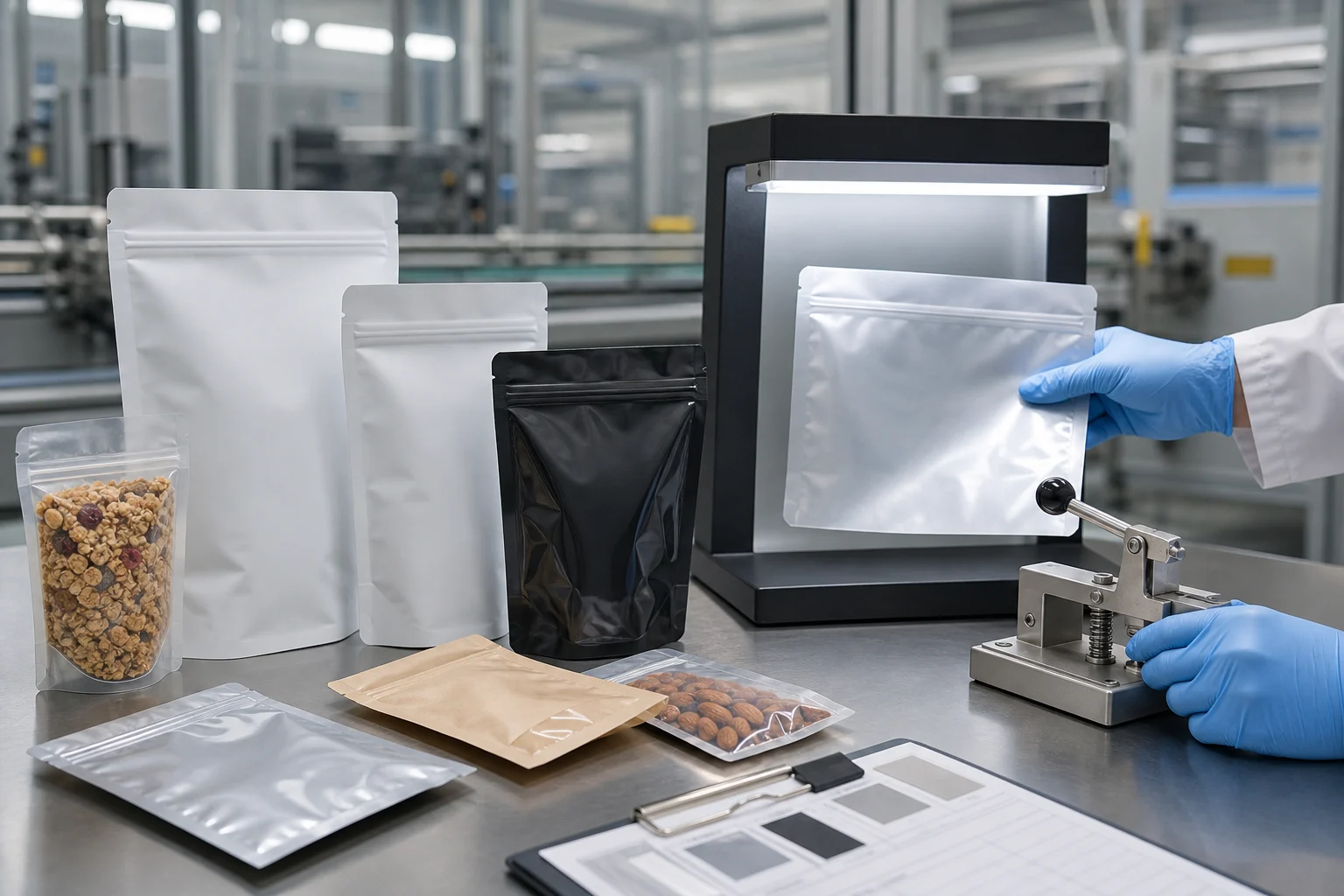
At startup, I want samples from each lane or sealing head. I label the time, setting, lane, operator, product, and film roll. I cut or peel seals where needed. I check for channels, wrinkles, burn-through, stringing, crushed zipper tracks, and uneven seal width. If the project needs formal leak detection, ASTM D3078 covers a bubble-emission method for gross leaks in flexible packaging with headspace gas.3 It is not the only method, but it is useful when I need visual evidence of obvious leaks.
I also define what operators should do when a setting drifts. If heat drops below the approved range, production pauses and affected packs are isolated. If powder builds on the seal area, cleaning happens before more cartons are packed. If a jaw mark changes, the team checks the bar before continuing. This sounds basic, but it prevents the worst outcome: mixing good and doubtful packs together. I connect these checks with the custom packaging MOQ and cost guide because rejected finished packaging is more expensive than a controlled pause.
How Do I Test and Document Leak Prevention?
A passed sample means little if the test method, sample size, and production trace are unclear.
I document filled sample tests, seal strength, bubble or vacuum checks, drop handling, storage stress, acceptance limits, corrective action, and retained reference samples.
I make the test plan match the risk. A dry snack pouch may need filled standing tests, seal peel checks, carton drop review, and storage observation. A high-barrier coffee pouch may need valve review, gas-pressure checks, aroma barrier evidence, and corner stress tests. A liquid or semi-liquid pack needs a much stricter leak plan. I do not use the same checklist for every product. I define the failure mode first, then choose the test.
The International Safe Transit Association publishes packaged-product performance test procedures used to evaluate packaged products for distribution hazards.4 That matters because many seal leaks appear after packing, stacking, vibration, or drops. A pouch can pass a bench leak test and still fail when carton fill is too tight or headspace is wrong. I test filled packs in the carton, not only empty bags on a table.
I keep a simple release record
My release record includes the approved structure, film roll, zipper or valve lot, seal settings, line speed, startup samples, in-process checks, test results, photos, and retained samples. I include the product name, fill weight, headspace, carton pack, and destination route. If there is a deviation, I record the affected time window and the disposition. That record helps the supplier, the brand, and the buyer avoid vague arguments later.
I also check barcode and label placement when leaks involve rework or handling. GS1 US guidance explains that symbol placement and package surfaces affect scanning success.5 If a team has to handle every pouch twice because the barcode is hard to scan, the seal area gets more stress. Small workflow choices can become packaging risks. My final approval is not just a lab number. It is a set of evidence that shows the pouch, product, line, carton, and route can work together. For new projects, I prefer a pilot run before the largest order. It gives me real data and protects the launch.
Conclusion
I choose packaging through evidence, filled-pack testing, and clear specifications. That process protects the product, the launch, and the customer experience.
Sources and Further Reading
- ASTM F88/F88M seal strength of flexible barrier materials.
- FDA food packaging and food-contact substances.
- ASTM D3078 gross leaks by bubble emission.
- ISTA packaged-product performance testing overview.
- GS1 US bar code symbol placement guideline.
- Flexible packaging quality control.
- Compare food barrier films.
- Request seal review support.
Need a pouch specification?
I can review your product, size, quantity, artwork, and target market.