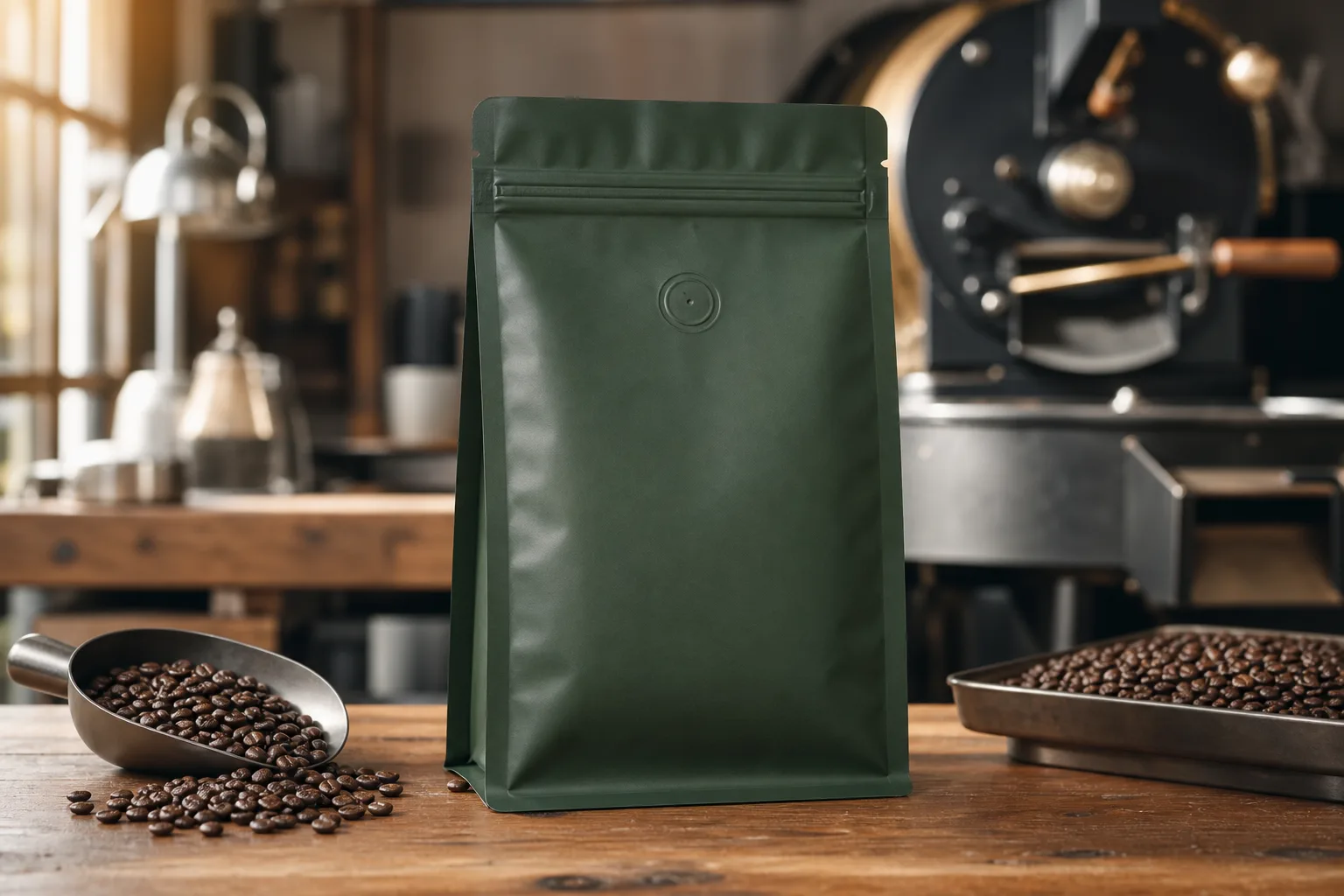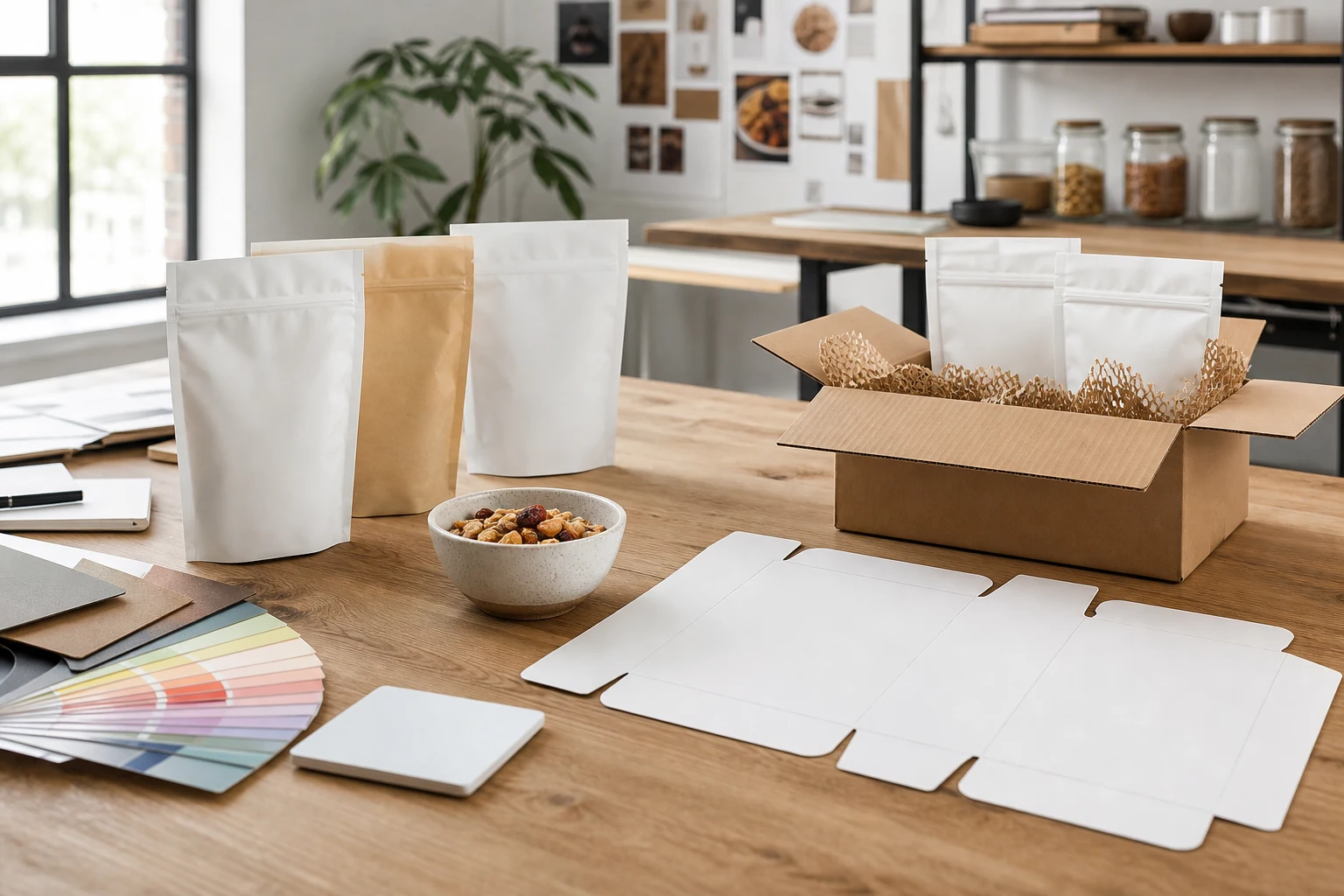
A food launch can stall when the pouch is chosen before the product fits, legal copy is mapped, samples are tested, or the packing route is understood.
I plan a food-brand package by defining the product and route first, then locking the format, food-contact evidence, label space, artwork, samples, supplier specification, and launch checks.
I treat the pouch as a complete system. I confirm the product, material, filling, handling, and customer experience before I approve production.
What Must I Define Before Choosing a Food Pouch?
Choosing a pouch from a catalogue can create an expensive mismatch when product volume, protection needs, filling method, and selling route were not defined first.
I define the food, fill weight and volume, temperature, shelf-life target, sensitivity, filling method, opening use, market, and distribution route before I shortlist a format.
I make a one-page product brief that states what enters the pouch and what happens next. I include the real product, target fill weight, expected fill volume, temperature, product edges or powder, headspace, sales channel, and carton route. That brief makes the first sample useful. It also prevents a nominal pouch size from being mistaken for a proven fit. A package for dry snack pieces, oily granola, frozen food, or a hot-filled sauce may require different material, seal, and functional decisions.
How I make this decision specific
For “What Must I Define Before Choosing a Food Pouch?” in this how do i plan packaging for a new food brand launch review, I define the actual product, pouch configuration, intended use, and decision owner before I ask a supplier or tester for evidence. I keep the selected structure, component details, sample condition, and any stated test method together, then compare the result with the buyer’s actual route rather than a catalogue promise. That record lets me use the custom pouch dieline guide as a decision aid and retain a specification that another team member can check.
For How Do I Plan Packaging for a New Food Brand Launch, I state what is known, the condition it applies to, and what must still be checked with the actual product. I do not transfer a number, a test result, or a feature choice from another product simply because its pouch looks similar. The result of “What Must I Define Before Choosing a Food Pouch?” should give the buyer a clear next check, the supplier a precise request, and the project owner a record of the remaining uncertainty.
For How Do I Plan Packaging for a New Food Brand Launch, I request the exact pouch structure, component specification, and test conditions from the supplier. A broad material name or catalogue claim is not a production specification. The right next step is a representative filled sample, where relevant, with observations recorded before production is approved.
How Do I Protect Label Space and Food-Contact Decisions?
A launch can become costly when mandatory information, claims, barcode space, seals, and food-contact documentation are treated as late artwork details.
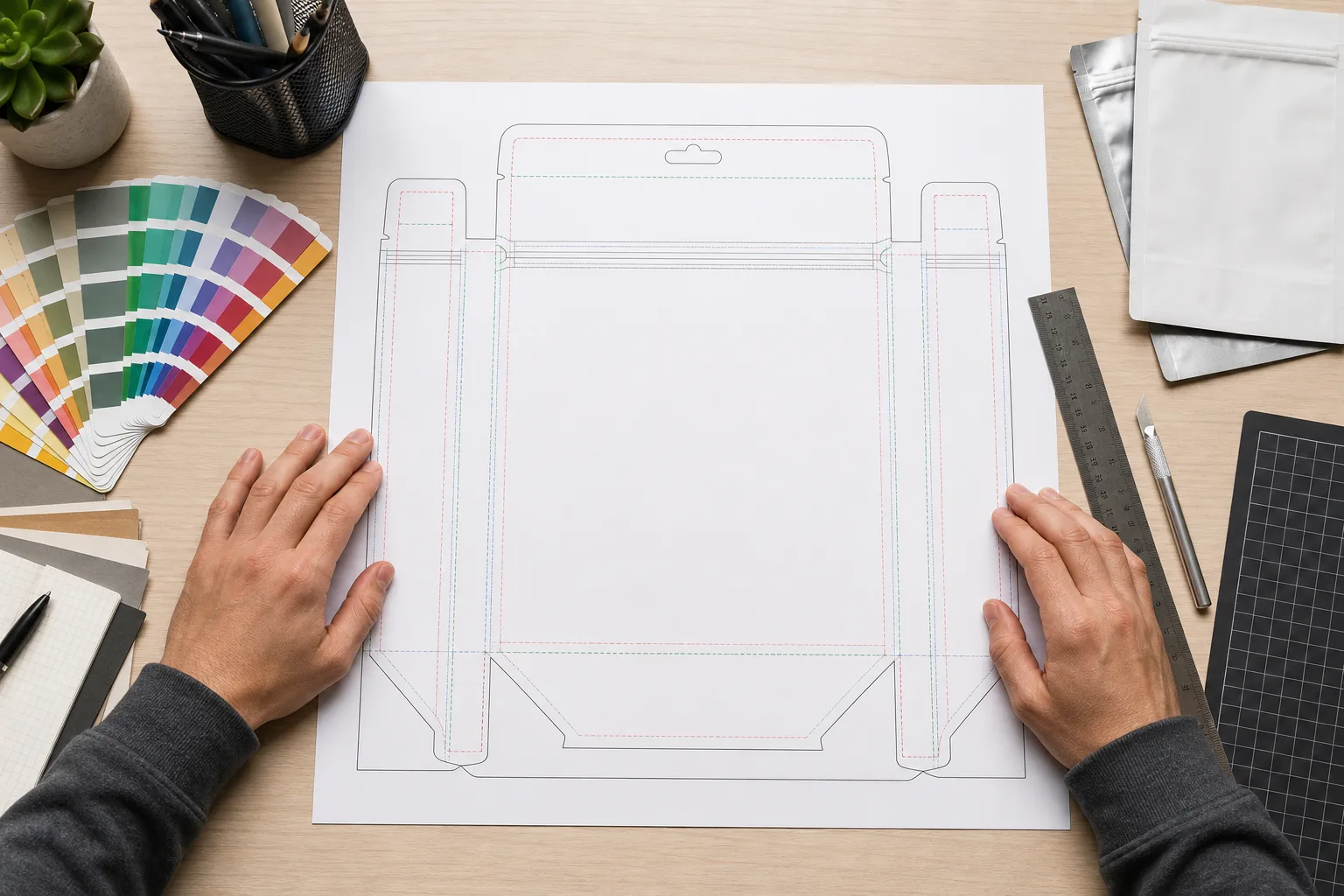
I reserve the required information areas on the current dieline, obtain documentation for the exact intended food-contact use, and have the appropriate regulatory specialists review final market copy.
I separate facts from assumptions. The supplier should identify the actual structure and intended use behind its food-contact documentation. The artwork team should work from the current converter template, not an online mock-up. I map the front panel, information panel, seals, folds, barcode area, lot-code area, and any functional component before visual refinements begin. This guide is not legal advice, and food labels differ by market. I use the relevant regulator, product category, and qualified reviewer before printing a commercial run.
How I make this decision specific
For “How Do I Protect Label Space and Food-Contact Decisions?” in this how do i plan packaging for a new food brand launch review, I define the actual product, pouch configuration, intended use, and decision owner before I ask a supplier or tester for evidence. I keep the selected structure, component details, sample condition, and any stated test method together, then compare the result with the buyer’s actual route rather than a catalogue promise. That record lets me use the custom pouch dieline guide as a decision aid and retain a specification that another team member can check.
For How Do I Plan Packaging for a New Food Brand Launch, I state what is known, the condition it applies to, and what must still be checked with the actual product. I do not transfer a number, a test result, or a feature choice from another product simply because its pouch looks similar. The result of “How Do I Protect Label Space and Food-Contact Decisions?” should give the buyer a clear next check, the supplier a precise request, and the project owner a record of the remaining uncertainty.
How Do I Test Packaging Before Ordering Production?
An empty digital mock-up cannot show whether a filled pouch looks right, fits the carton, scans, stands, opens, or survives the route to a customer.
I test full-size, filled samples with the actual product and planned carton, then review fit, seal clearance, appearance, shelf readability, handling, opening, reclosure, and scanning where relevant.
I use simple, visible checks before expensive scale-up. I fill several samples to the real target. I inspect their standing behavior, panel wrinkles, clear label space, carton fit, and product movement. I view them from normal shopping distance under representative light. I then open and reclose the sample with people who did not design it. If a claim or barcode is involved, I make the reviewer and test method clear. The goal is to identify a failure mode early, not to imply a shelf-life or compliance conclusion that the sample did not establish.
How I make this decision specific
For “How Do I Test Packaging Before Ordering Production?” in this how do i plan packaging for a new food brand launch review, I define the actual product, pouch configuration, intended use, and decision owner before I ask a supplier or tester for evidence. I keep the selected structure, component details, sample condition, and any stated test method together, then compare the result with the buyer’s actual route rather than a catalogue promise. That record lets me use the custom pouch dieline guide as a decision aid and retain a specification that another team member can check.
For How Do I Plan Packaging for a New Food Brand Launch, I state what is known, the condition it applies to, and what must still be checked with the actual product. I do not transfer a number, a test result, or a feature choice from another product simply because its pouch looks similar. The result of “How Do I Test Packaging Before Ordering Production?” should give the buyer a clear next check, the supplier a precise request, and the project owner a record of the remaining uncertainty.
For How Do I Plan Packaging for a New Food Brand Launch, I treat the filled pack as a separate check from the material data. I record the fill condition, seal area, opening or closure behavior, carton arrangement, handling observations, and limits of the comparison. That prevents a favourable bench result from becoming an unsupported claim about shelf life, transport, or every product route.
What Should I Lock for a First Production Run?
A launch is exposed when a team approves a sample but never records which material, artwork version, fill condition, carton pack, and acceptance checks made it acceptable.
I lock a written release record for the exact pouch, artwork, product, fill range, supplier, carton arrangement, inspection points, sample observations, and change triggers before production starts.
I keep the handoff short and traceable. The record names the pouch format, dimensions, structure, functional features, artwork revision, target fill, seal zone, production settings where relevant, carton pack, and the people responsible for approval. I retain an approved physical sample and a digital reference. I also state what requires a new check: a material substitution, different food, change in fill temperature, added coating, new supplier, or altered carton route. That clarity makes a small food launch easier to repeat without hiding a meaningful packaging change.
How I make this decision specific
For “What Should I Lock for a First Production Run?” in this how do i plan packaging for a new food brand launch review, I define the actual product, pouch configuration, intended use, and decision owner before I ask a supplier or tester for evidence. I keep the selected structure, component details, sample condition, and any stated test method together, then compare the result with the buyer’s actual route rather than a catalogue promise. That record lets me use the custom pouch dieline guide as a decision aid and retain a specification that another team member can check.
For How Do I Plan Packaging for a New Food Brand Launch, I state what is known, the condition it applies to, and what must still be checked with the actual product. I do not transfer a number, a test result, or a feature choice from another product simply because its pouch looks similar. The result of “What Should I Lock for a First Production Run?” should give the buyer a clear next check, the supplier a precise request, and the project owner a record of the remaining uncertainty.
For How Do I Plan Packaging for a New Food Brand Launch, I preserve the final decision in a written brief that names the approved sample, conditions, observations, open risks, and change triggers. I then use the certifications and material documents page to keep the quotation tied to the evidence rather than to a remembered sample or a generic product name.
Conclusion
I choose packaging through evidence, filled-pack testing, and clear specifications. That process protects the product, the launch, and the customer experience.
Sources and Further Reading
- FDA, food packaging and other substances that come in contact with food.
- Reddit r/foodscience, food-labeling workflow community discussion.
- FDA, Guidance for Industry: Food Labeling Guide.
- FDA, How to Start a Food Business.
- Unique Packaging custom pouch dieline guide.
- Unique Packaging certifications and material documents.
Need a pouch specification?
I can review your product, size, quantity, artwork, and target market.