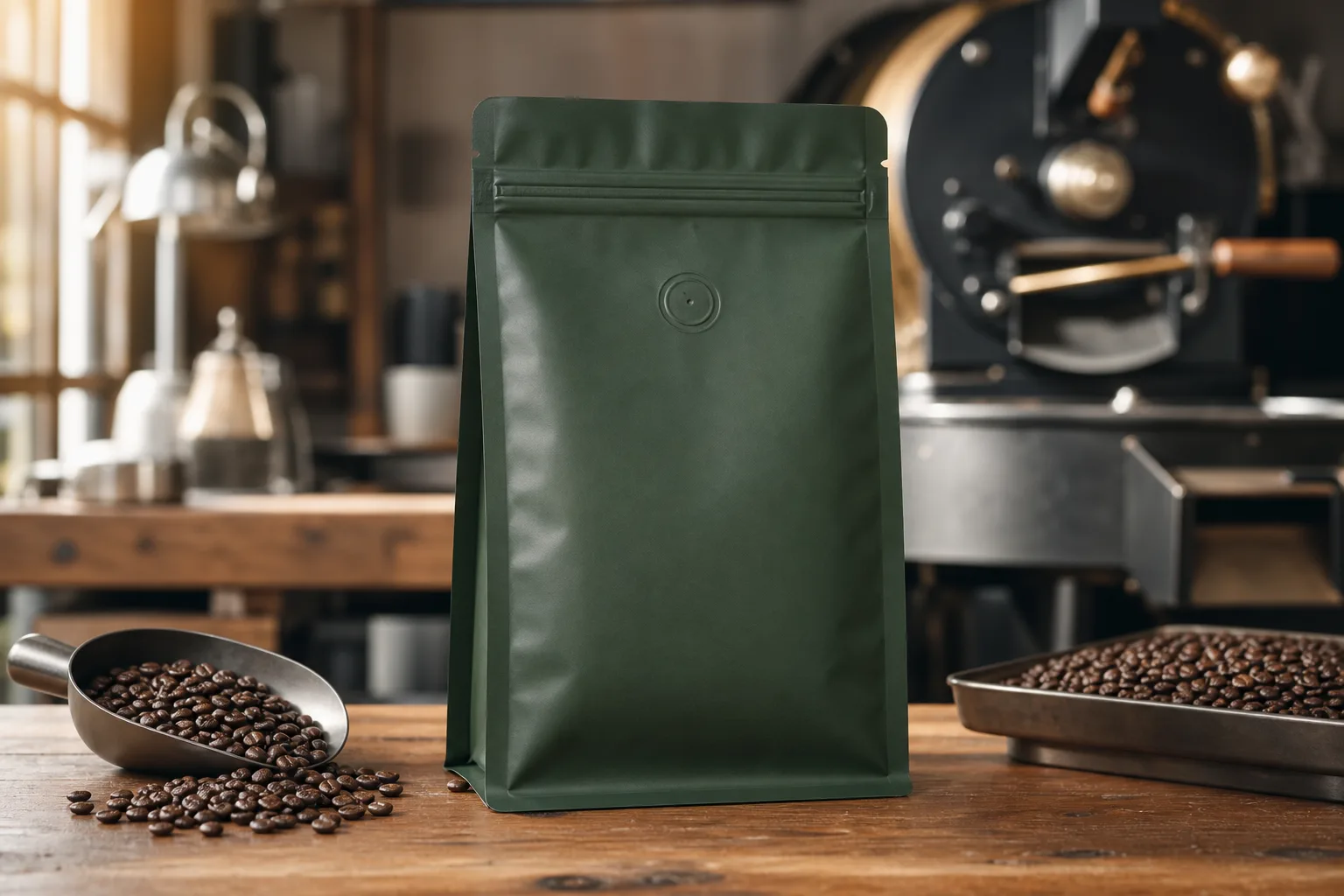
The cheapest pouch quote can become the most expensive order when its material, components, printing, tests, freight, or approval terms are not comparable.
I compare supplier quotes by putting each offer into one controlled scope, then checking the exact pouch, material, components, print, quality evidence, packing, lead time, freight, payment, and change terms.
I treat the pouch as a complete system. I confirm the product, material, filling, handling, and customer experience before I approve production.
What Must Be the Same Before I Compare Prices?
Comparing a pouch price without matching dimensions, layers, features, print, quantity, and delivery terms creates a false saving.
I normalize each quote to one specification that names the product use, pouch format, dimensions, structure, components, print, quantity, packing, delivery term, and currency before I compare totals.
I first write one request-for-quotation sheet. It gives every supplier the same product, market, pouch size, fill condition, structure target, zipper or valve, finish, print coverage, artwork status, order quantities, carton requirements, and requested delivery term. If a supplier proposes an alternative, I list it as an alternative rather than comparing it line by line with a different pouch. That simple discipline exposes whether the difference is a real saving or a different scope.
How I make this decision specific
| Quote field | Why it changes cost | How I compare it |
|---|---|---|
| Structure | Layers and thickness affect performance. | Exact construction. |
| Print route | Setup and color process differ. | Named process and colors. |
| Components | Zippers and valves add scope. | Model and location. |
| Freight term | Delivery responsibility changes. | Named Incoterm and destination. |
For “What Must Be the Same Before I Compare Prices?” in this how do i compare packaging supplier quotes fairly review, I define the actual product, pouch configuration, intended use, and decision owner before I ask a supplier or tester for evidence. I keep the selected structure, component details, sample condition, and any stated test method together, then compare the result with the buyer’s actual route rather than a catalogue promise. That record lets me use the flexible packaging supplier checklist as a decision aid and retain a specification that another team member can check.
For How Do I Compare Packaging Supplier Quotes Fairly, I state what is known, the condition it applies to, and what must still be checked with the actual product. I do not transfer a number, a test result, or a feature choice from another product simply because its pouch looks similar. The result of “What Must Be the Same Before I Compare Prices?” should give the buyer a clear next check, the supplier a precise request, and the project owner a record of the remaining uncertainty.
For How Do I Compare Packaging Supplier Quotes Fairly, I request the exact pouch structure, component specification, and test conditions from the supplier. A broad material name or catalogue claim is not a production specification. The right next step is a representative filled sample, where relevant, with observations recorded before production is approved.
How Do I Compare Material and Quality Evidence?
Two prices can look comparable while the offered film, sealant, component, test method, and accepted tolerance are different.
I ask each supplier to state the proposed construction and components, then compare relevant documents, samples, tests, tolerances, and approval conditions against the same requirement.
I do not accept a broad description such as high barrier or food grade as a complete comparison. I ask for the proposed structure, thickness, components, and the evidence relevant to the intended use. I also ask how the supplier controls dimensions, seals, color, and defects, and whether a change requires approval. The goal is not to demand every document in every project. It is to match the evidence to the product risk before the price becomes the deciding factor.
How I make this decision specific
For “How Do I Compare Material and Quality Evidence?” in this how do i compare packaging supplier quotes fairly review, I define the actual product, pouch configuration, intended use, and decision owner before I ask a supplier or tester for evidence. I keep the selected structure, component details, sample condition, and any stated test method together, then compare the result with the buyer’s actual route rather than a catalogue promise. That record lets me use the flexible packaging supplier checklist as a decision aid and retain a specification that another team member can check.
For How Do I Compare Packaging Supplier Quotes Fairly, I state what is known, the condition it applies to, and what must still be checked with the actual product. I do not transfer a number, a test result, or a feature choice from another product simply because its pouch looks similar. The result of “How Do I Compare Material and Quality Evidence?” should give the buyer a clear next check, the supplier a precise request, and the project owner a record of the remaining uncertainty.
Which Commercial Terms Change the Landed Cost?
A unit price can exclude tooling, proofs, plates, freight, duties, sampling, storage, payment cost, and the risk of an oversized first order.
I calculate landed and risk-adjusted cost by separating unit price from setup, samples, freight, duties, packing, payment, inventory exposure, lead time, and the cost of a revision or failure.
I ask for a clear price breakdown and a version-controlled quotation. I record the MOQ, price breaks, setup charges, proof or cylinder charges, sample charge, production lead time, shipping term, and payment term. Then I compare the cost at realistic order quantities, not only at the supplier’s preferred volume. A lower unit cost can be a poor decision if it creates excess inventory or locks the brand into artwork before demand is known. I keep alternatives visible so the team can choose the trade-off deliberately.
How I make this decision specific
For “Which Commercial Terms Change the Landed Cost?” in this how do i compare packaging supplier quotes fairly review, I define the actual product, pouch configuration, intended use, and decision owner before I ask a supplier or tester for evidence. I keep the selected structure, component details, sample condition, and any stated test method together, then compare the result with the buyer’s actual route rather than a catalogue promise. That record lets me use the flexible packaging supplier checklist as a decision aid and retain a specification that another team member can check.
For How Do I Compare Packaging Supplier Quotes Fairly, I state what is known, the condition it applies to, and what must still be checked with the actual product. I do not transfer a number, a test result, or a feature choice from another product simply because its pouch looks similar. The result of “Which Commercial Terms Change the Landed Cost?” should give the buyer a clear next check, the supplier a precise request, and the project owner a record of the remaining uncertainty.
For How Do I Compare Packaging Supplier Quotes Fairly, I treat the filled pack as a separate check from the material data. I record the fill condition, seal area, opening or closure behavior, carton arrangement, handling observations, and limits of the comparison. That prevents a favourable bench result from becoming an unsupported claim about shelf life, transport, or every product route.
How Do I Approve a Supplier Without Guessing?
A polished quote cannot prove that a pouch will arrive on time, match the sample, or keep its specification through a reorder.
I approve a supplier through traceable communication, specification review, sample and proof checks, agreed acceptance criteria, commercial verification, and a controlled first order.
I verify that the supplier identity, bank or billing entity, scope, and contact path are clear before I pay. Then I review the production sample and proof against the approved specification. On the first order, I inspect delivered goods against the agreed criteria and retain a reference sample. I also document who can approve changes. That gives the buyer a controlled basis for the next quote and reorder instead of a folder of emails that cannot explain why a price or pouch changed.
How I make this decision specific
For “How Do I Approve a Supplier Without Guessing?” in this how do i compare packaging supplier quotes fairly review, I define the actual product, pouch configuration, intended use, and decision owner before I ask a supplier or tester for evidence. I keep the selected structure, component details, sample condition, and any stated test method together, then compare the result with the buyer’s actual route rather than a catalogue promise. That record lets me use the flexible packaging supplier checklist as a decision aid and retain a specification that another team member can check.
For How Do I Compare Packaging Supplier Quotes Fairly, I state what is known, the condition it applies to, and what must still be checked with the actual product. I do not transfer a number, a test result, or a feature choice from another product simply because its pouch looks similar. The result of “How Do I Approve a Supplier Without Guessing?” should give the buyer a clear next check, the supplier a precise request, and the project owner a record of the remaining uncertainty.
For How Do I Compare Packaging Supplier Quotes Fairly, I preserve the final decision in a written brief that names the approved sample, conditions, observations, open risks, and change triggers. I then use the packaging specification sheet guide to keep the quotation tied to the evidence rather than to a remembered sample or a generic product name.
Conclusion
I choose packaging through evidence, filled-pack testing, and clear specifications. That process protects the product, the launch, and the customer experience.
Sources and Further Reading
- FDA, Food Packaging and Other Substances that Come in Contact with Food.
- Reddit r/smallbusinessUS, packaging price-comparison community discussion.
- Incoterms 2020, ICC overview.
- ASTM F88/F88M, seal strength of flexible barrier materials.
- Unique Packaging supplier checklist.
- Unique Packaging specification sheet guide.
Need a pouch specification?
I can review your product, size, quantity, artwork, and target market.