EVOH can offer strong oxygen protection, but its value disappears when a buyer treats it as a universal answer instead of a protected, tested layer.
I use EVOH barrier packaging when a product needs oxygen or aroma protection and the complete multilayer structure, humidity exposure, seal system, and shelf-life evidence fit the real route.
I treat the pouch as a complete system. I confirm the product, material, filling, handling, and customer experience before I approve production.
What Does EVOH Do in a Flexible Package?
Material names can hide the layer, test condition, and performance limits that actually determine whether a pouch protects a product.
EVOH is commonly used as an oxygen and aroma barrier layer inside a multilayer package, where surrounding layers provide sealability, protection, and other needed functions.
I identify the EVOH grade, layer location, thickness, tie layers, and the adjacent sealant before I compare any data.
How I make this decision specific
For “What Does EVOH Do in a Flexible Package?” in this what is evoh barrier packaging and when is it useful review, I define the actual product, pouch configuration, intended use, and decision owner before I ask a supplier or tester for evidence. I keep the selected structure, component details, sample condition, and any stated test method together, then compare the result with the buyer’s actual route rather than a catalogue promise. That record lets me use the barrier-film guide as a decision aid and retain a specification that another team member can check.
For What Is EVOH Barrier Packaging and When Is It Useful, I state what is known, the condition it applies to, and what must still be checked with the actual product. I do not transfer a number, a test result, or a feature choice from another product simply because its pouch looks similar. The result of “What Does EVOH Do in a Flexible Package?” should give the buyer a clear next check, the supplier a precise request, and the project owner a record of the remaining uncertainty.
For What Is EVOH Barrier Packaging and When Is It Useful, I request the exact pouch structure, component specification, and test conditions from the supplier. A broad material name or catalogue claim is not a production specification. The right next step is a representative filled sample, where relevant, with observations recorded before production is approved.
How Does Humidity Change an EVOH Structure?
An EVOH datasheet can look ideal in dry conditions while humidity, heat, or product contact changes the real barrier picture.
Because EVOH is moisture-sensitive, I assess humidity, temperature, hot-fill or retort conditions, and protective outer layers before relying on its oxygen-barrier result.
Published packaging research reports that water uptake can reduce EVOH oxygen-barrier performance, so I compare declared temperature and relative-humidity conditions rather than copying a single number.
How I make this decision specific
For “How Does Humidity Change an EVOH Structure?” in this what is evoh barrier packaging and when is it useful review, I define the actual product, pouch configuration, intended use, and decision owner before I ask a supplier or tester for evidence. I keep the selected structure, component details, sample condition, and any stated test method together, then compare the result with the buyer’s actual route rather than a catalogue promise. That record lets me use the barrier-film guide as a decision aid and retain a specification that another team member can check.
For What Is EVOH Barrier Packaging and When Is It Useful, I state what is known, the condition it applies to, and what must still be checked with the actual product. I do not transfer a number, a test result, or a feature choice from another product simply because its pouch looks similar. The result of “How Does Humidity Change an EVOH Structure?” should give the buyer a clear next check, the supplier a precise request, and the project owner a record of the remaining uncertainty.
How Do I Validate an EVOH Pouch Before Production?
A conversion fails when teams approve film data but never test seams, folds, filled storage, cartons, and customer use together.
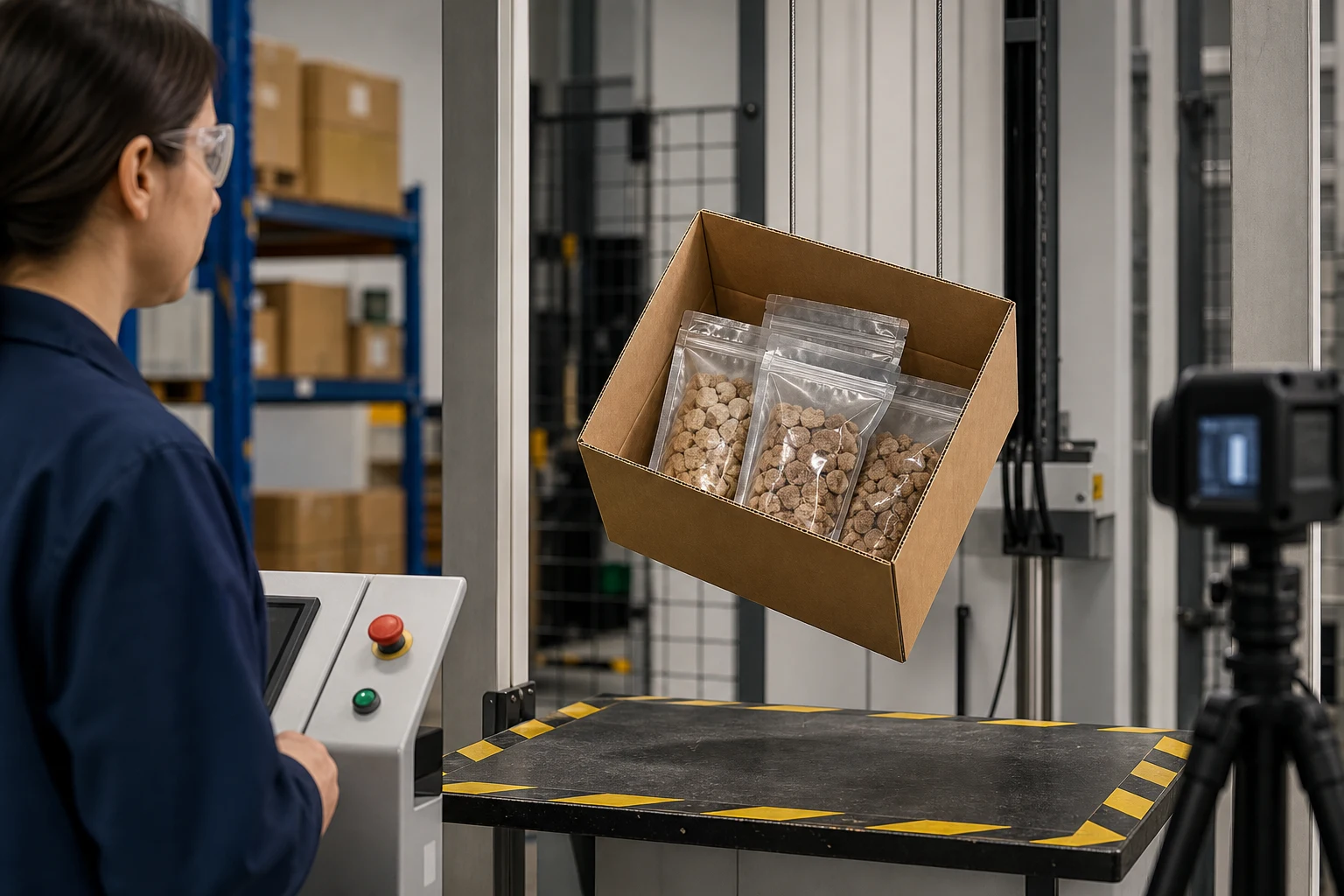
I validate an EVOH pouch with a documented structure, product-specific barrier evidence, filled-pack storage, seal and leak checks, distribution checks, and change control.
I compare the candidate with the current package at the same fill weight and conditions, then inspect both product quality and pouch integrity over the agreed period.
How I make this decision specific
For “How Do I Validate an EVOH Pouch Before Production?” in this what is evoh barrier packaging and when is it useful review, I define the actual product, pouch configuration, intended use, and decision owner before I ask a supplier or tester for evidence. I keep the selected structure, component details, sample condition, and any stated test method together, then compare the result with the buyer’s actual route rather than a catalogue promise. That record lets me use the barrier-film guide as a decision aid and retain a specification that another team member can check.
For What Is EVOH Barrier Packaging and When Is It Useful, I state what is known, the condition it applies to, and what must still be checked with the actual product. I do not transfer a number, a test result, or a feature choice from another product simply because its pouch looks similar. The result of “How Do I Validate an EVOH Pouch Before Production?” should give the buyer a clear next check, the supplier a precise request, and the project owner a record of the remaining uncertainty.
For What Is EVOH Barrier Packaging and When Is It Useful, I treat the filled pack as a separate check from the material data. I record the fill condition, seal area, opening or closure behavior, carton arrangement, handling observations, and limits of the comparison. That prevents a favourable bench result from becoming an unsupported claim about shelf life, transport, or every product route.
Conclusion
I choose packaging through evidence, filled-pack testing, and clear specifications. That process protects the product, the launch, and the customer experience.
Sources and Further Reading
Need a pouch specification?
I can review your product, size, quantity, artwork, and target market.