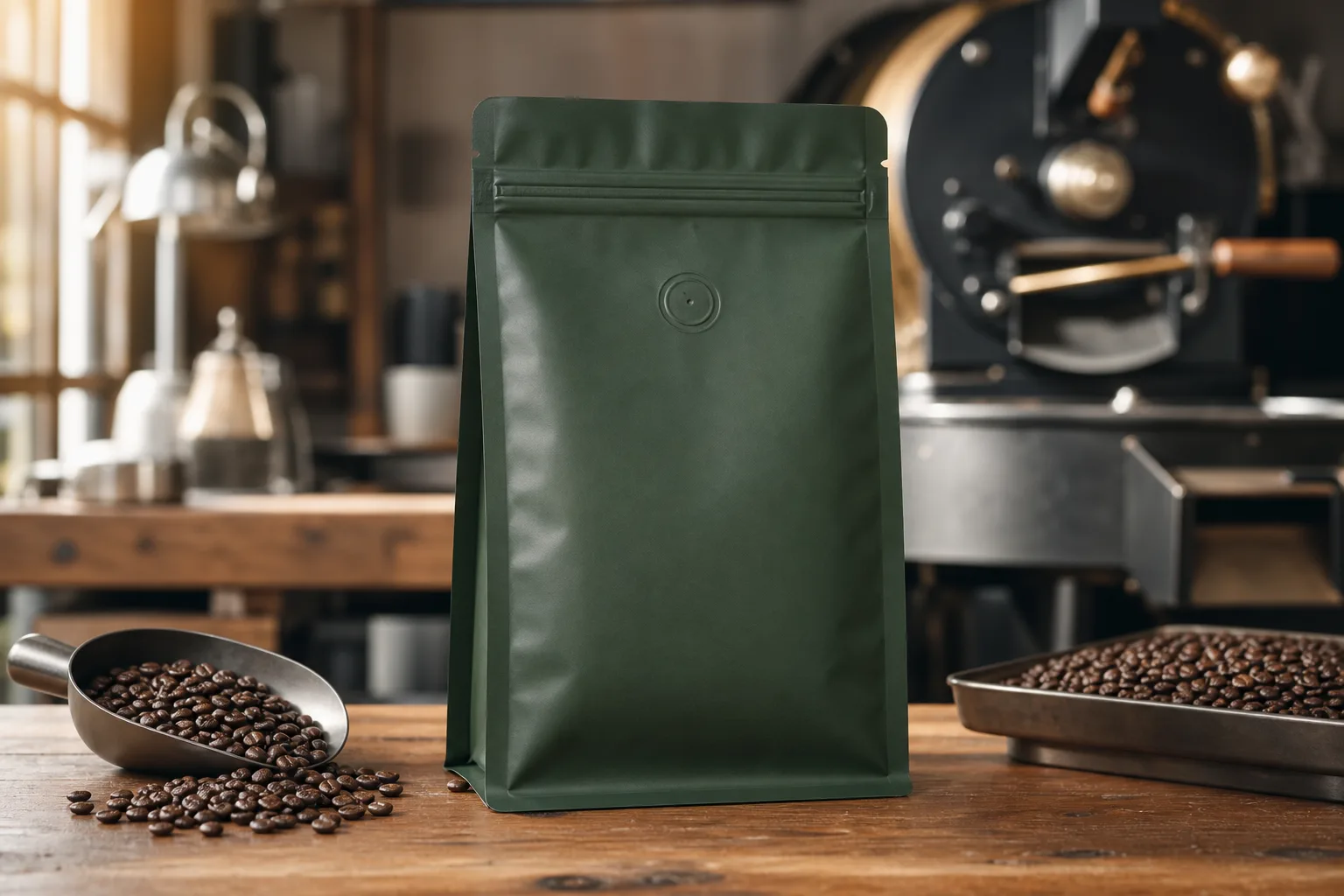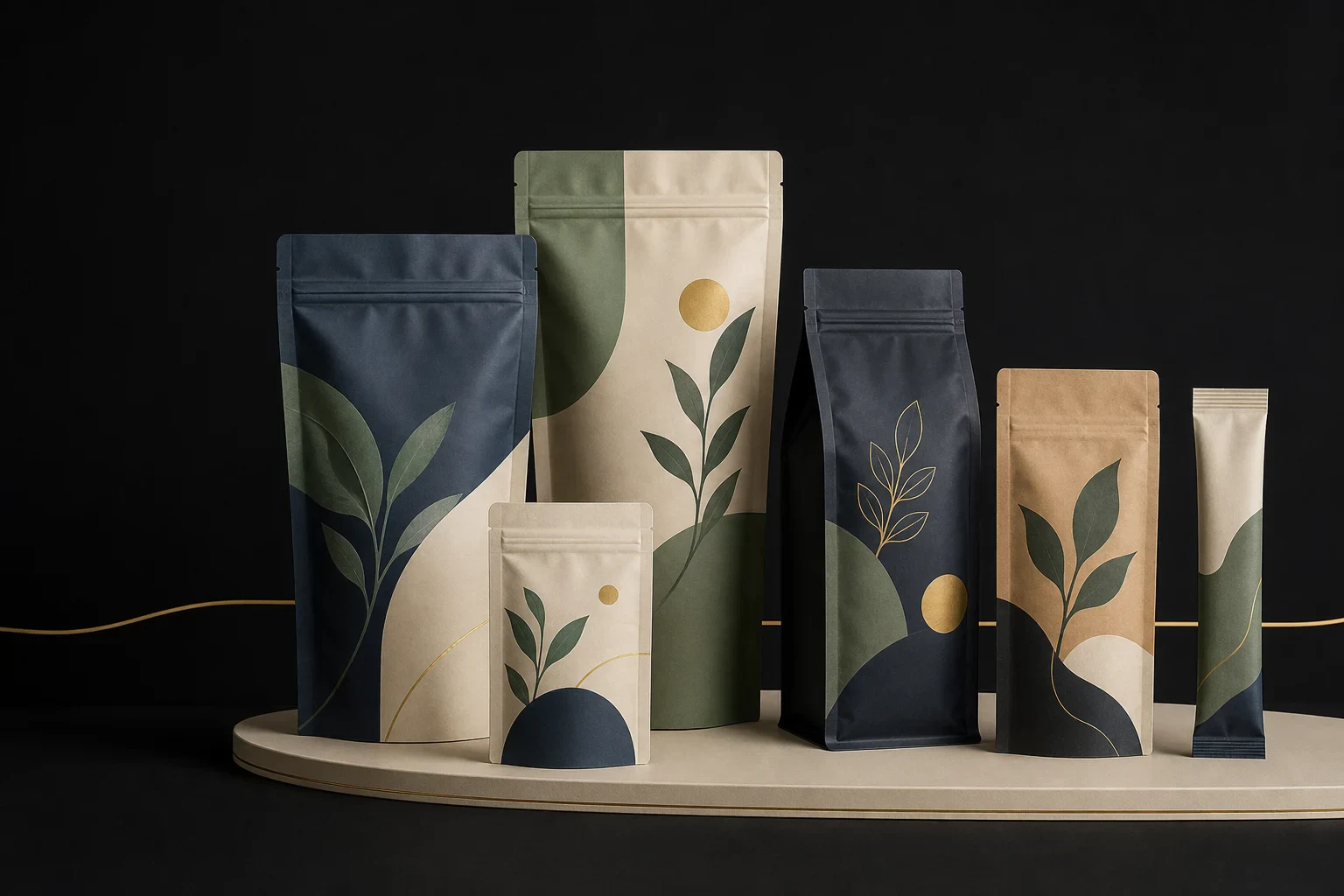
A crisp candy can become disappointing fast when humidity, seal loss, rough handling, or a vague storage plan undo the work of freeze drying.
I package freeze-dried candy by confirming the finished product condition, humidity route, fill geometry, pouch structure, seal, opening experience, and a filled-pack validation plan before production.
I treat the pouch as a complete system. I confirm the product, material, filling, handling, and customer experience before I approve production.
What Must a Freeze-Dried Candy Package Protect?
Crisp texture is easy to lose when a dry, porous product meets humidity after the drying step has already been approved.
I start by defining the actual candy, its finished water activity where measured, fill weight, breakage risk, humidity exposure, sales route, and the storage time the brand needs to support.
I separate the drying process from the packaging decision. A product can leave a dryer in a suitable state, then change during cooling, filling, or storage if the intended package and route are not controlled. FDA describes water activity as a food-stability factor that must be maintained during storage. I therefore ask for the product target and measurement method, then use filled samples to check whether the selected package supports the intended condition. I do not infer product safety, shelf life, or barrier performance from a pouch photo or a generic material label.
How I make this decision specific
For “What Must a Freeze-Dried Candy Package Protect?” in this how do i package freeze-dried candy to keep it crisp review, I define the actual product, pouch configuration, intended use, and decision owner before I ask a supplier or tester for evidence. I keep the selected structure, component details, sample condition, and any stated test method together, then compare the result with the buyer’s actual route rather than a catalogue promise. That record lets me use the food packaging barrier-film guide as a decision aid and retain a specification that another team member can check.
For How Do I Package Freeze-Dried Candy to Keep It Crisp, I state what is known, the condition it applies to, and what must still be checked with the actual product. I do not transfer a number, a test result, or a feature choice from another product simply because its pouch looks similar. The result of “What Must a Freeze-Dried Candy Package Protect?” should give the buyer a clear next check, the supplier a precise request, and the project owner a record of the remaining uncertainty.
For How Do I Package Freeze-Dried Candy to Keep It Crisp, I request the exact pouch structure, component specification, and test conditions from the supplier. A broad material name or catalogue claim is not a production specification. The right next step is a representative filled sample, where relevant, with observations recorded before production is approved.
Which Pouch Features Make Crisp Candy Easier to Sell and Use?
A pouch can look right on a shelf yet frustrate a customer when fragile pieces spill, the opening tears poorly, or the closure becomes awkward.
I choose format, fill height, opening feature, zipper placement, window use, and carton orientation by testing the real candy from first opening through repeat use.
I test the package with the actual product because freeze-dried pieces can have irregular shapes, low density, and breakage sensitivity. I check whether the pouch stands at its intended fill, whether the first-open feature stays above the reclosure, and whether a customer can pour without crushing or spilling the product. I also inspect the opening after ordinary handling. A clear panel may improve product visibility, but it changes the structure and graphic layout, so I request product-specific evidence rather than treating it as a default choice.
How I make this decision specific
For “Which Pouch Features Make Crisp Candy Easier to Sell and Use?” in this how do i package freeze-dried candy to keep it crisp review, I define the actual product, pouch configuration, intended use, and decision owner before I ask a supplier or tester for evidence. I keep the selected structure, component details, sample condition, and any stated test method together, then compare the result with the buyer’s actual route rather than a catalogue promise. That record lets me use the food packaging barrier-film guide as a decision aid and retain a specification that another team member can check.
For How Do I Package Freeze-Dried Candy to Keep It Crisp, I state what is known, the condition it applies to, and what must still be checked with the actual product. I do not transfer a number, a test result, or a feature choice from another product simply because its pouch looks similar. The result of “Which Pouch Features Make Crisp Candy Easier to Sell and Use?” should give the buyer a clear next check, the supplier a precise request, and the project owner a record of the remaining uncertainty.
How Should I Define the Seal and Material Test?
A visual review cannot show whether a selected pouch will remain closed and protective after filling, cartoning, compression, and normal handling.
I specify the exact structure, dimensions, seal zones, fill, carton pack, and release observations, then test filled samples under conditions that match the expected route.
I request a written material and conversion specification, then connect it to a filled-pack trial. I inspect the top seal, side seals, corners, zipper clearance, and visible panels after the pouch is filled and placed in the planned carton. ASTM F88/F88M provides a recognized method for seal-strength measurement when a project needs comparable data, while the selected test conditions still need to match the product and route. I keep the results attached to the approved artwork and pouch configuration so a future order does not rely on a generic description.
How I make this decision specific
For “How Should I Define the Seal and Material Test?” in this how do i package freeze-dried candy to keep it crisp review, I define the actual product, pouch configuration, intended use, and decision owner before I ask a supplier or tester for evidence. I keep the selected structure, component details, sample condition, and any stated test method together, then compare the result with the buyer’s actual route rather than a catalogue promise. That record lets me use the food packaging barrier-film guide as a decision aid and retain a specification that another team member can check.
For How Do I Package Freeze-Dried Candy to Keep It Crisp, I state what is known, the condition it applies to, and what must still be checked with the actual product. I do not transfer a number, a test result, or a feature choice from another product simply because its pouch looks similar. The result of “How Should I Define the Seal and Material Test?” should give the buyer a clear next check, the supplier a precise request, and the project owner a record of the remaining uncertainty.
For How Do I Package Freeze-Dried Candy to Keep It Crisp, I treat the filled pack as a separate check from the material data. I record the fill condition, seal area, opening or closure behavior, carton arrangement, handling observations, and limits of the comparison. That prevents a favourable bench result from becoming an unsupported claim about shelf life, transport, or every product route.
How Do I Validate Freeze-Dried Candy Packaging Before a Launch?
A package can pass an empty-sample review and still fail after a customer opens it, a carton compresses it, or a humid route reaches retail.
I validate filled samples through the intended packing, handling, storage, display, first opening, and reclosure steps, then document the observations and limits before release.
I run a modest, defined validation rather than a broad unsupported claim. I use the actual candy, target fill, and expected carton pack. I examine the pouch after filling, handling, display, and repeat opening. I record any broken pieces, seal changes, closure behavior, panel distortion, or visible moisture concern. I also define what the check cannot prove. A short internal handling exercise does not replace a formal shelf-life program, and a single result should not be transferred to a new recipe, fill weight, material revision, or distribution route.
How I make this decision specific
For “How Do I Validate Freeze-Dried Candy Packaging Before a Launch?” in this how do i package freeze-dried candy to keep it crisp review, I define the actual product, pouch configuration, intended use, and decision owner before I ask a supplier or tester for evidence. I keep the selected structure, component details, sample condition, and any stated test method together, then compare the result with the buyer’s actual route rather than a catalogue promise. That record lets me use the food packaging barrier-film guide as a decision aid and retain a specification that another team member can check.
For How Do I Package Freeze-Dried Candy to Keep It Crisp, I state what is known, the condition it applies to, and what must still be checked with the actual product. I do not transfer a number, a test result, or a feature choice from another product simply because its pouch looks similar. The result of “How Do I Validate Freeze-Dried Candy Packaging Before a Launch?” should give the buyer a clear next check, the supplier a precise request, and the project owner a record of the remaining uncertainty.
For How Do I Package Freeze-Dried Candy to Keep It Crisp, I preserve the final decision in a written brief that names the approved sample, conditions, observations, open risks, and change triggers. I then use the flexible-packaging quality-test guide to keep the quotation tied to the evidence rather than to a remembered sample or a generic product name.
Conclusion
I choose packaging through evidence, filled-pack testing, and clear specifications. That process protects the product, the launch, and the customer experience.
Sources and Further Reading
- FDA, Water Activity in Foods.
- Reddit r/HarvestRight, humid storage community discussion.
- FDA, food packaging and other food-contact substances.
- ASTM F88/F88M, seal strength of flexible barrier materials.
- ISTA, packaged-product performance test procedures.
- Unique Packaging barrier-film guide.
- Unique Packaging packaging-test guide.
Need a pouch specification?
I can review your product, size, quantity, artwork, and target market.