A dried starter packet can arrive neatly sealed yet leave a customer unsure how to revive it. Packaging approval needs more than a dry-looking sample.
I choose dried sourdough starter pouches by defining the dry culture, portion and revival instructions, then comparing material evidence and filled-pack trials. I keep revival checks separate from seal tests and approve a written specification before purchasing.
At Unique Packaging, I treat the dry sachet and its instructions as one customer experience. This guide covers dried starter, not shipping an active liquid culture.
What Must I Define Before Packaging Dried Starter?
A packet described only as sourdough starter leaves important gaps. The dry form, portion and customer instructions need to be clear before sampling.
I define the dried culture, flake or powder form, portion, packing conditions and revival procedure before selecting a sachet. I keep wet active starter outside that brief.
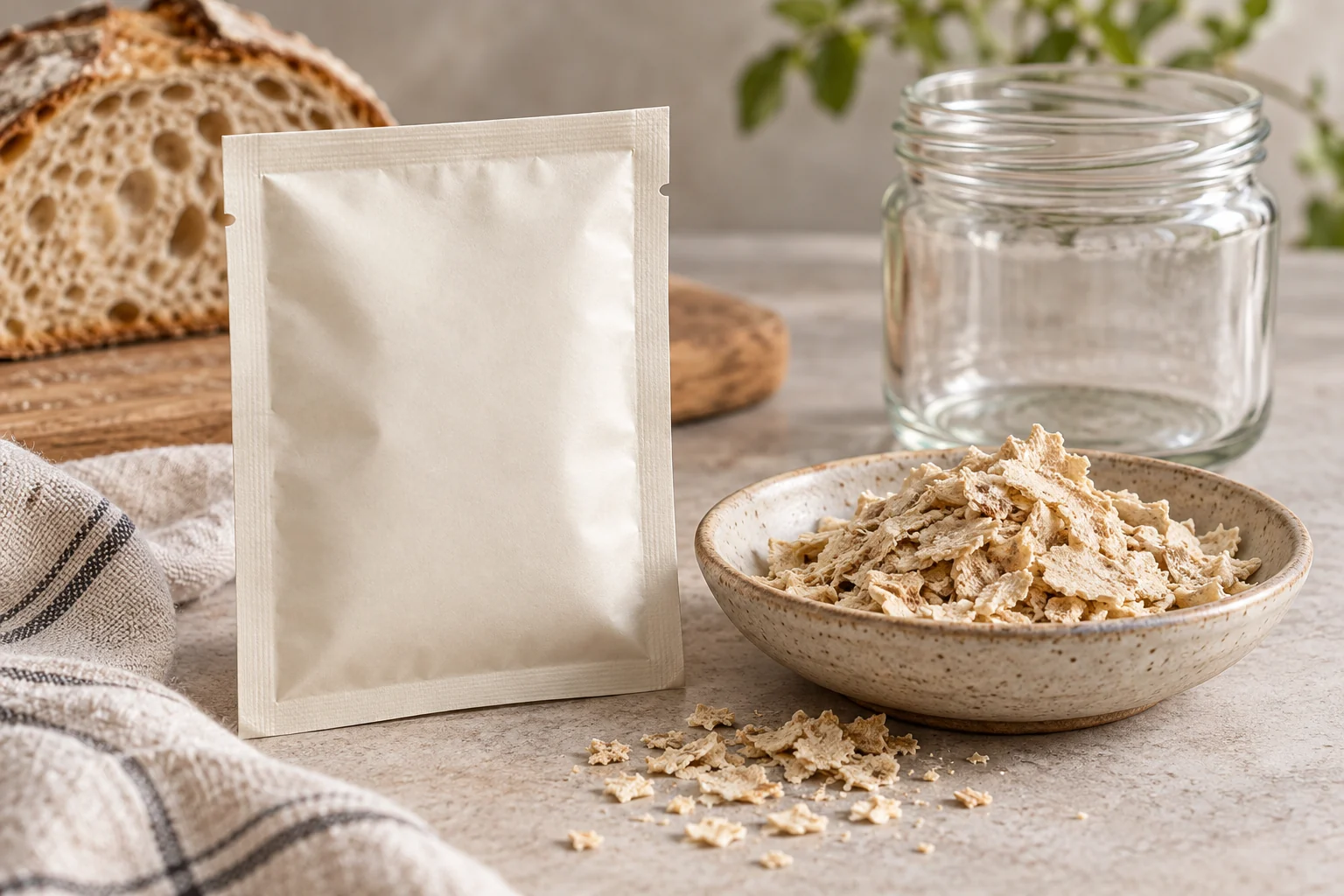
I ask the culture producer to identify the exact dry product and the process controls it uses. I record whether the product is supplied as flakes, small chips or powder. I request the producer's release criteria rather than deciding dryness by touch or appearance. Those criteria belong to the food producer and its technical team. The pouch buyer needs them to organize a useful packaging trial.
King Arthur's home-baking guide describes drying starter completely before airtight storage in a cool, dark location.1 I use that guidance to understand the distinction between dried starter and an active wet culture. I do not treat its home-storage discussion as a commercial drying process, a validated shelf life or a guarantee that a particular pouch will preserve viability.
Make the first portion easy to identify
I ask how much the customer should use and whether the packet is intended to be emptied at once. A single-portion sachet and a larger resealable pack create different tasks. I check whether the instructions distinguish product weight from the water and flour added during revival. I ask the brand to approve the actual wording against its own culture and customer support experience.
In an August 2026 Reddit discussion about drying starter for travel, one contributor describes periodically trying to revive stored starter as a check on their backup.2 I use that as an attributed user insight about confidence in storage. I do not adopt the comment's time periods or freezing advice. It suggests a practical question for the brand: has anyone followed the supplied revival instructions using a retained packaged sample?
I keep the dry yeast packaging guide as a related handling reference, while recognizing that sourdough culture has its own product requirements. I record the lot identity and portion with each sample. If the form or culture changes, I return to the brief instead of assuming the previous package and instructions remain suitable.
Which Material and Opening Details Should I Compare?
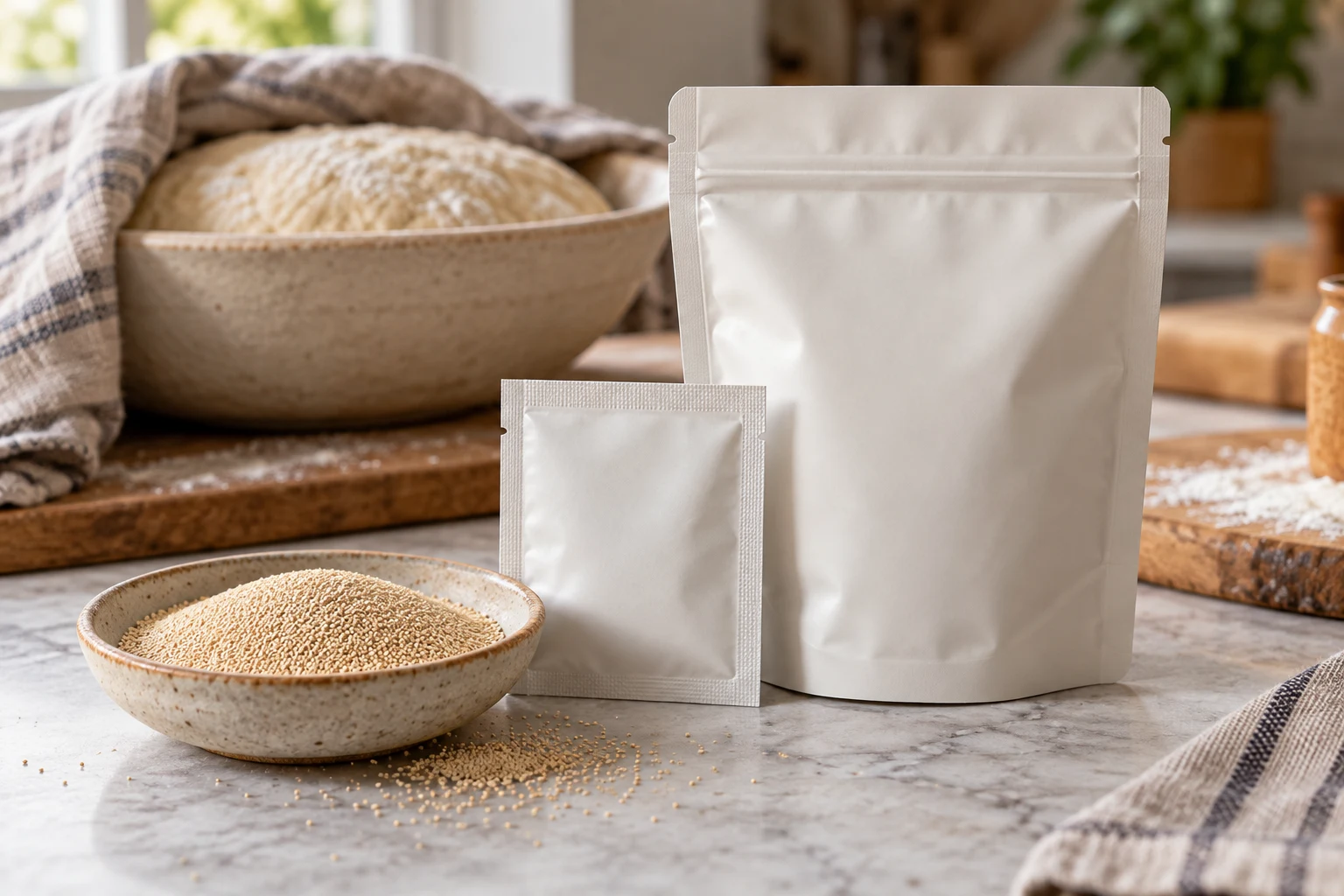
A generic foil-look packet cannot prove moisture protection or easy emptying. Tiny starter portions also make retained flakes and awkward tears worth checking.
I compare the actual construction, moisture data, seal space and opening geometry. I then inspect whether the chosen dry form empties cleanly without damaging the usable pack.
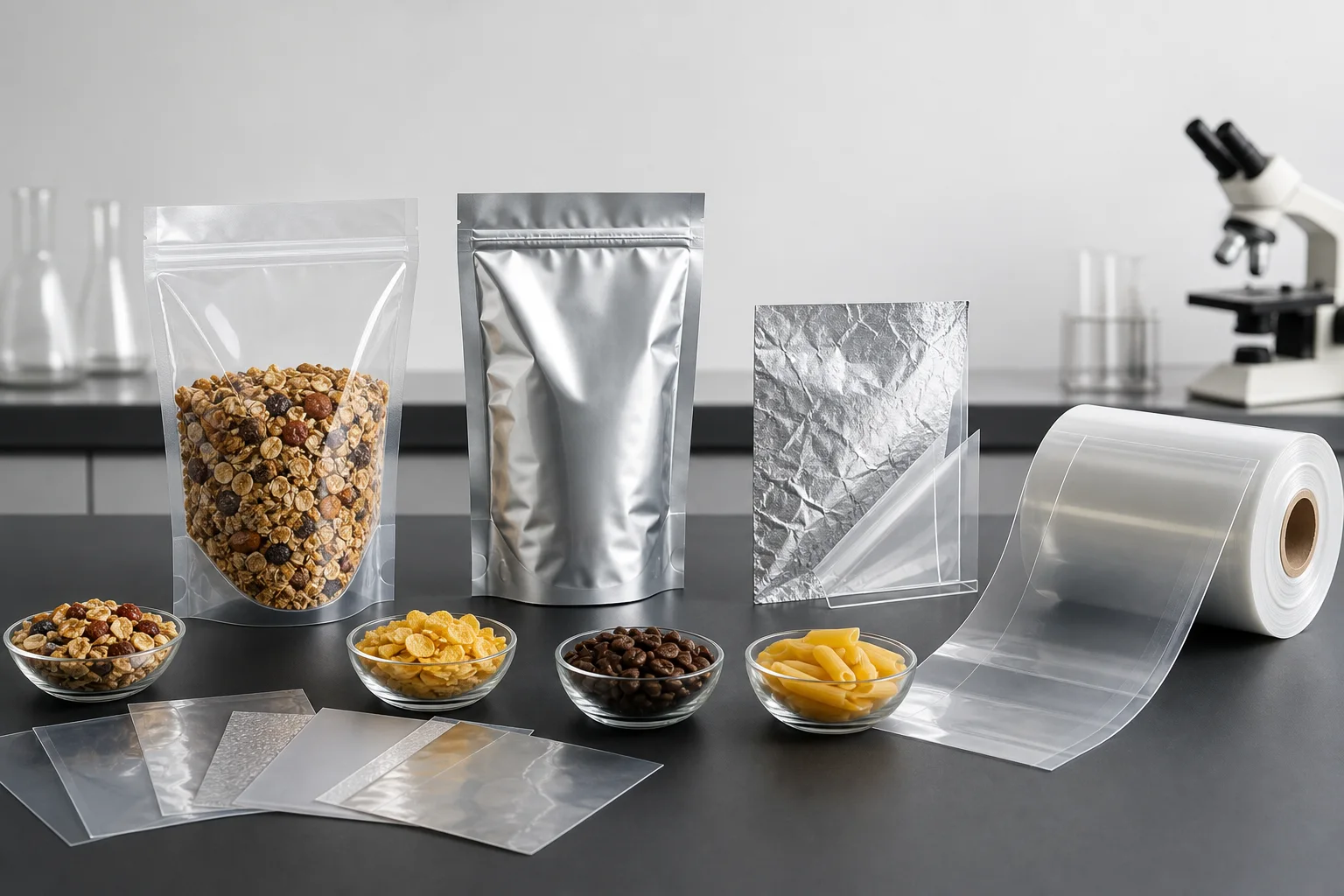
I ask for the layer sequence, thickness, sealant and finished dimensions of each candidate. I distinguish the printed appearance from the barrier construction. A metallic look is not a specification. The barrier-film guide helps organize the questions I send to the converter, including the relationship between material data and the proposed filled packet.
ASTM F1249 covers water-vapor transmission through flexible barrier materials.3 For a relevant comparison, I request the edition, temperature, humidity conditions, units, specimen orientation and exact film reference. I ask the producer to decide what protection the actual dry culture requires. I do not convert a film result into a revival period or a commercial shelf-life promise.
| Format to review | Useful question | Evidence to retain |
|---|---|---|
| Single-use flat sachet | Can the full portion leave through the tear opening? | Filled opening and emptying observations |
| Small zipper pouch | Will customers really use several portions? | Repeated opening with the actual dry form |
| Pouch with a viewing region | Does the region belong to the reviewed construction? | Matching material documents and filled sample |
Test access with the actual flakes
I watch a user tear the sealed sample without a demonstration. I record where they hold it, how the tear progresses and whether the opening is large enough for the intended flakes. I weigh the portion before and after emptying when the producer needs a retained-product check. I inspect the corners and zipper track for material left behind. These observations can guide dimensions without inventing a universal sachet size.
I separate the tear feature from the protective top seal. Artwork should make the opening path understandable, but a printed line cannot validate the tear. I use the dieline guide to carry approved positions into the artwork file. I keep the lot code and revival instructions away from features that may distort or disappear during opening.
For US food-contact use, FDA's food-type and conditions-of-use framework supports asking for documents matched to the intended contact.4 I ask the brand and converter to check the construction for the destination market. A generic food-safe claim or a supplier's unrelated certificate is not enough to approve this particular dry-culture packet.
How Do I Link Packaging Trials to Starter Revival?
A seal test cannot show whether a customer can revive the culture. A successful revival cannot show that every pouch seal is acceptable.
I run packaging and product checks as linked but separate records: seal and handling evidence for the pouch, plus a producer-approved revival assessment using retained packaged samples.
I ask the packer to use the intended dried product and portion range during the trial. I record filling conditions, time before sealing and how flakes or powder are kept out of the seal area. I preserve the proposed settings with the material reference. The converter and packer should establish the working seal window for their equipment and laminate rather than copying a setting from a different packet.
ASTM F88/F88M addresses flexible-barrier seal strength.5 If the technical team selects that method, I request its edition, specimen preparation, conditioning, holding technique and failure mode. I also ask which finished-pack integrity checks fit the sample. I retain the results alongside observations of the tear opening and packet condition after the agreed carton-handling sequence.
Give the culture producer ownership of the revival criterion
I ask the producer to write the revival procedure and define the observations that count as an acceptable result. I record sample age, storage conditions, lot, portion, water and flour inputs, temperature and observation schedule. I keep an appropriate reference sample in the comparison. The producer decides what the results support. I do not invent an activation time or treat bubbles alone as a universal commercial release criterion.
I also ask someone unfamiliar with the packet to follow the approved instructions. I note confusing steps, lost flakes and any need to contact customer support. If the instructions change, I repeat that task with the revised artwork. The review should connect the dry sachet to the first successful customer use without claiming that packaging alone controls every part of the culture's behavior.
My purchase specification identifies culture and form, portion, dimensions, layer sequence, sealant, tear feature and artwork revision. It includes intended storage, food-contact documents, trial conditions, agreed acceptance criteria and the retained approved sample. I name review triggers such as a drying-process change, different flake size, new film or altered sealing equipment.
I send this record with a dried starter sample and specification-based quote request. I include quantity per design and destination, then compare supplier responses against the same approved configuration. Any proposed substitution returns to the relevant packaging or revival check. That keeps the purchasing decision attached to evidence instead of an attractive sachet photograph.
Conclusion
I approve dried starter pouches only after the dry product, sealed sample and revival instructions work together under documented project conditions.
Sources and Further Reading
Need a pouch specification?
I can review your product, size, quantity, artwork, and target market.