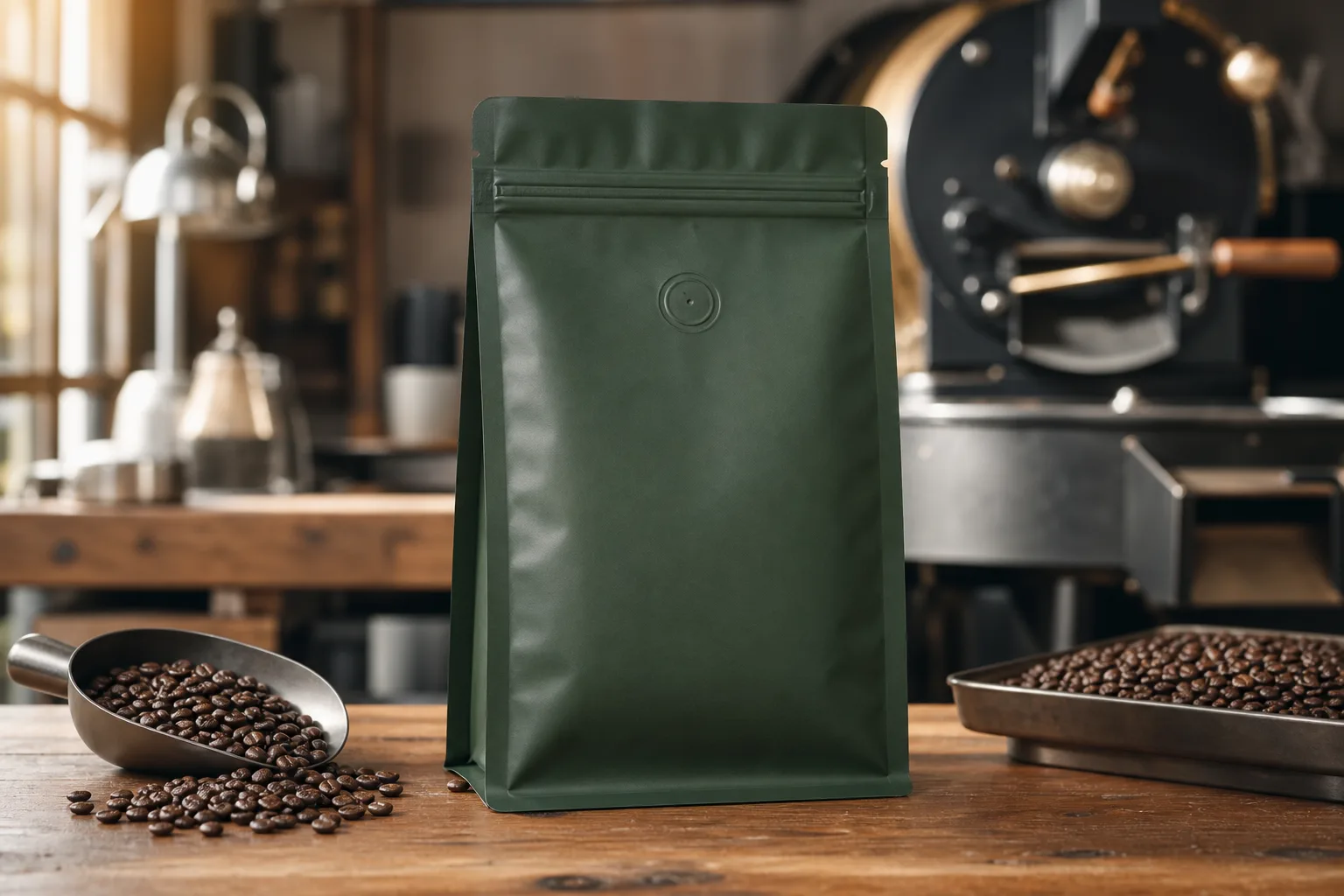
A powder package can look premium yet disappoint when settling confuses buyers, seals pick up dust, label space is crowded, or travel use was never tested.
I package electrolyte powder by confirming product classification, fill weight and bulk density, format, seal and reclose needs, label requirements, travel use, and filled-pack checks before release.
I treat the pouch as a complete system. I confirm the product, material, filling, handling, and customer experience before I approve production.
What Should I Define Before Choosing an Electrolyte-Powder Pack?
Format choices become expensive when a team has not settled whether the product is a supplement, food, travel sachet, refill, or multi-serve retail pouch.
I first define the product classification, target market, powder bulk density, serving and fill weight, moisture sensitivity, label requirements, customer use, and distribution route.
I begin with a written brief rather than a package style. The product classification and market determine which label and quality steps matter. The powder properties and fill weight affect pouch size, headspace, how full the pack appears, and how it behaves through filling. I ask whether the customer needs individual servings, a multi-serve pouch, a refill format, or a sample. I do not promise a specific shelf life or travel outcome from a generic laminate. Instead, I turn these inputs into a pouch and validation plan.
How I make this decision specific
For “What Should I Define Before Choosing an Electrolyte-Powder Pack?” in this how do i package electrolyte powder for travel and retail review, I define the actual product, pouch configuration, intended use, and decision owner before I ask a supplier or tester for evidence. I keep the selected structure, component details, sample condition, and any stated test method together, then compare the result with the buyer’s actual route rather than a catalogue promise. That record lets me use the protein-powder packaging-format guide as a decision aid and retain a specification that another team member can check.
For How Do I Package Electrolyte Powder for Travel and Retail, I state what is known, the condition it applies to, and what must still be checked with the actual product. I do not transfer a number, a test result, or a feature choice from another product simply because its pouch looks similar. The result of “What Should I Define Before Choosing an Electrolyte-Powder Pack?” should give the buyer a clear next check, the supplier a precise request, and the project owner a record of the remaining uncertainty.
For How Do I Package Electrolyte Powder for Travel and Retail, I request the exact pouch structure, component specification, and test conditions from the supplier. A broad material name or catalogue claim is not a production specification. The right next step is a representative filled sample, where relevant, with observations recorded before production is approved.
Which Format Fits Retail and Travel Use?
A format can protect the powder but still frustrate a customer when the pour is messy, a zipper traps dust, or the pack feels unexpectedly empty after settling.
I compare single-serve packs, multi-serve pouches, and refill formats by serving routine, powder flow, fill weight, opening method, reclosure, portability, and required label space.
I test formats with the actual powder. I observe how it settles after filling and transit, how a customer tears or cuts the opening, whether the powder catches in the seal or closure, and whether the pack remains practical after several uses. A multi-serve pouch can reduce repeated individual wrappers, while a single-serve format can simplify portioning. Neither is automatically the right answer. The brand should state net quantity clearly and should not rely on visual fullness alone as the product description.
How I make this decision specific
For “Which Format Fits Retail and Travel Use?” in this how do i package electrolyte powder for travel and retail review, I define the actual product, pouch configuration, intended use, and decision owner before I ask a supplier or tester for evidence. I keep the selected structure, component details, sample condition, and any stated test method together, then compare the result with the buyer’s actual route rather than a catalogue promise. That record lets me use the protein-powder packaging-format guide as a decision aid and retain a specification that another team member can check.
For How Do I Package Electrolyte Powder for Travel and Retail, I state what is known, the condition it applies to, and what must still be checked with the actual product. I do not transfer a number, a test result, or a feature choice from another product simply because its pouch looks similar. The result of “Which Format Fits Retail and Travel Use?” should give the buyer a clear next check, the supplier a precise request, and the project owner a record of the remaining uncertainty.
How Do I Protect Label, Lot, and Barcode Space?
A compact powder pouch can run out of usable space when product identity, required information, lot details, barcode, claims review, and opening cues compete on one panel.
I map every required and operational element on the approved pouch dieline, then protect readable label panels, barcode clearance, lot-code space, and opening cues from seals and folds.
I start with the current converter dieline. I mark the front panel, back panel, seal zones, tear area, zipper zone, folds, barcode area, and lot-code position before visual design begins. FDA labeling guidance identifies required dietary-supplement label statements for products in that category, but the responsible brand still needs to confirm the current requirements for its actual product and market. I keep a clear distinction between regulated label content, brand claims, and package decoration so graphic changes do not silently crowd out operational information.
How I make this decision specific
For “How Do I Protect Label, Lot, and Barcode Space?” in this how do i package electrolyte powder for travel and retail review, I define the actual product, pouch configuration, intended use, and decision owner before I ask a supplier or tester for evidence. I keep the selected structure, component details, sample condition, and any stated test method together, then compare the result with the buyer’s actual route rather than a catalogue promise. That record lets me use the protein-powder packaging-format guide as a decision aid and retain a specification that another team member can check.
For How Do I Package Electrolyte Powder for Travel and Retail, I state what is known, the condition it applies to, and what must still be checked with the actual product. I do not transfer a number, a test result, or a feature choice from another product simply because its pouch looks similar. The result of “How Do I Protect Label, Lot, and Barcode Space?” should give the buyer a clear next check, the supplier a precise request, and the project owner a record of the remaining uncertainty.
For How Do I Package Electrolyte Powder for Travel and Retail, I treat the filled pack as a separate check from the material data. I record the fill condition, seal area, opening or closure behavior, carton arrangement, handling observations, and limits of the comparison. That prevents a favourable bench result from becoming an unsupported claim about shelf life, transport, or every product route.
How Do I Validate an Electrolyte-Powder Pouch Before Release?
A pouch may pass a desk review and still fail when powder reaches the seal area, handling scuffs the label, or a traveller cannot keep the pack understandable and tidy.
I validate filled samples through filling, settling, seal inspection, carton handling, label review, opening, reclosure, and the intended portable-use routine, then retain the approved configuration.
I use the actual powder and target fill. I inspect the seal area for powder contamination, check the package after settling and carton handling, and test the opening and reclosure with untrained users. I also review the printed lot, barcode, and consumer information against the approved artwork. The cited running-community thread is useful because it describes a real travel inconvenience, but I do not convert it into a claim about airport rules. I use it to ask whether the product stays identifiable and manageable in the customer routine the brand expects.
How I make this decision specific
For “How Do I Validate an Electrolyte-Powder Pouch Before Release?” in this how do i package electrolyte powder for travel and retail review, I define the actual product, pouch configuration, intended use, and decision owner before I ask a supplier or tester for evidence. I keep the selected structure, component details, sample condition, and any stated test method together, then compare the result with the buyer’s actual route rather than a catalogue promise. That record lets me use the protein-powder packaging-format guide as a decision aid and retain a specification that another team member can check.
For How Do I Package Electrolyte Powder for Travel and Retail, I state what is known, the condition it applies to, and what must still be checked with the actual product. I do not transfer a number, a test result, or a feature choice from another product simply because its pouch looks similar. The result of “How Do I Validate an Electrolyte-Powder Pouch Before Release?” should give the buyer a clear next check, the supplier a precise request, and the project owner a record of the remaining uncertainty.
For How Do I Package Electrolyte Powder for Travel and Retail, I preserve the final decision in a written brief that names the approved sample, conditions, observations, open risks, and change triggers. I then use the barcode-placement guide to keep the quotation tied to the evidence rather than to a remembered sample or a generic product name.
Conclusion
I choose packaging through evidence, filled-pack testing, and clear specifications. That process protects the product, the launch, and the customer experience.
Sources and Further Reading
- FDA, dietary-supplement CGMP guidance for packaging and labeling.
- Reddit r/ultrarunning, travelling with electrolyte-powder community discussion.
- FDA, dietary-supplement labeling guide.
- ASTM F88/F88M, seal strength of flexible barrier materials.
- ISTA, packaged-product performance test procedures.
- Unique Packaging protein-powder format guide.
- Unique Packaging barcode-placement guide.
Need a pouch specification?
I can review your product, size, quantity, artwork, and target market.