A breakfast pouch can disappoint when oats clog the seal or buyers add hot water to a pack designed only for dry storage.
I choose instant oatmeal pouches by defining the recipe, portion, preparation instructions, and filling method. I compare the complete construction, test representative filled packs, and confirm written use conditions before requesting a quote.
My starting point at Unique Packaging is a clear use brief. A dry-food pouch and a preparation vessel require different questions.
Will the Pouch Store Dry Oats or Hold Hot Water?
Ambiguous preparation instructions invite buyers to use the pouch in ways its supplier has never assessed.
I specify whether the product is poured into a bowl, cold soaked, or prepared inside the pack. I require food-contact evidence for that exact use and ask for separate confirmation before any hot-water instruction.
I first write the customer action as one sentence. For example, the customer opens a sachet, pours dry oats into a bowl, and adds water there. Another project might ask the customer to prepare breakfast inside a pouch. I treat that second instruction as a separate packaging brief. I do not infer suitability from the word food-grade or from another brand’s pack.
The FDA food-contact tables distinguish food types and use conditions, including room-temperature storage and thermal uses.1 I therefore ask the supplier to identify the applicable authorization and its scope for the proposed components. I include the food, contact time, and temperature in the request. I avoid approving hot-use artwork while those answers remain open.
I use customer habits to identify questions
In the Reddit thread ISO oatmeal, u/Pancakes-0r-waffles asks for a packet that can hold hot water because they will not bring a bowl. Another user describes transferring bulk oats to a separate reusable bag.4 These are useful accounts of customer intent. They do not demonstrate that an ordinary retail pouch is suitable for heating.
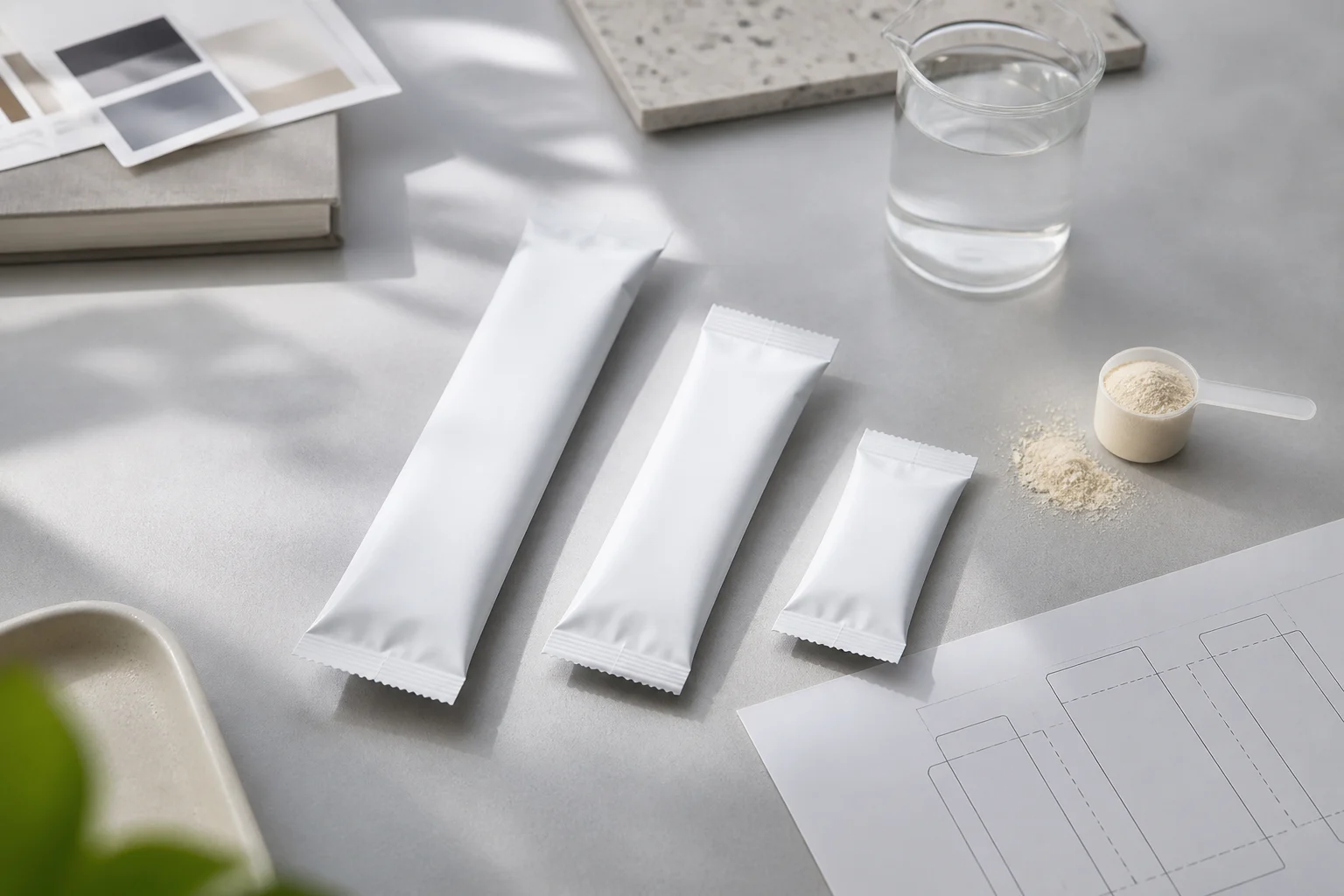
I would test the written preparation directions with intended users before approving the design. I ask where they expect to pour water, whether they read the instructions, and how they hold the opened pack. I keep that usability exercise separate from compliance review. For a dry-only format, I make the bowl instruction prominent and select dimensions through the single-serve sizing guide.
Which Format Fits My Oat Recipe and Portion?
A film choice based only on plain oats can miss the portion volume and ingredient differences in a finished breakfast blend.
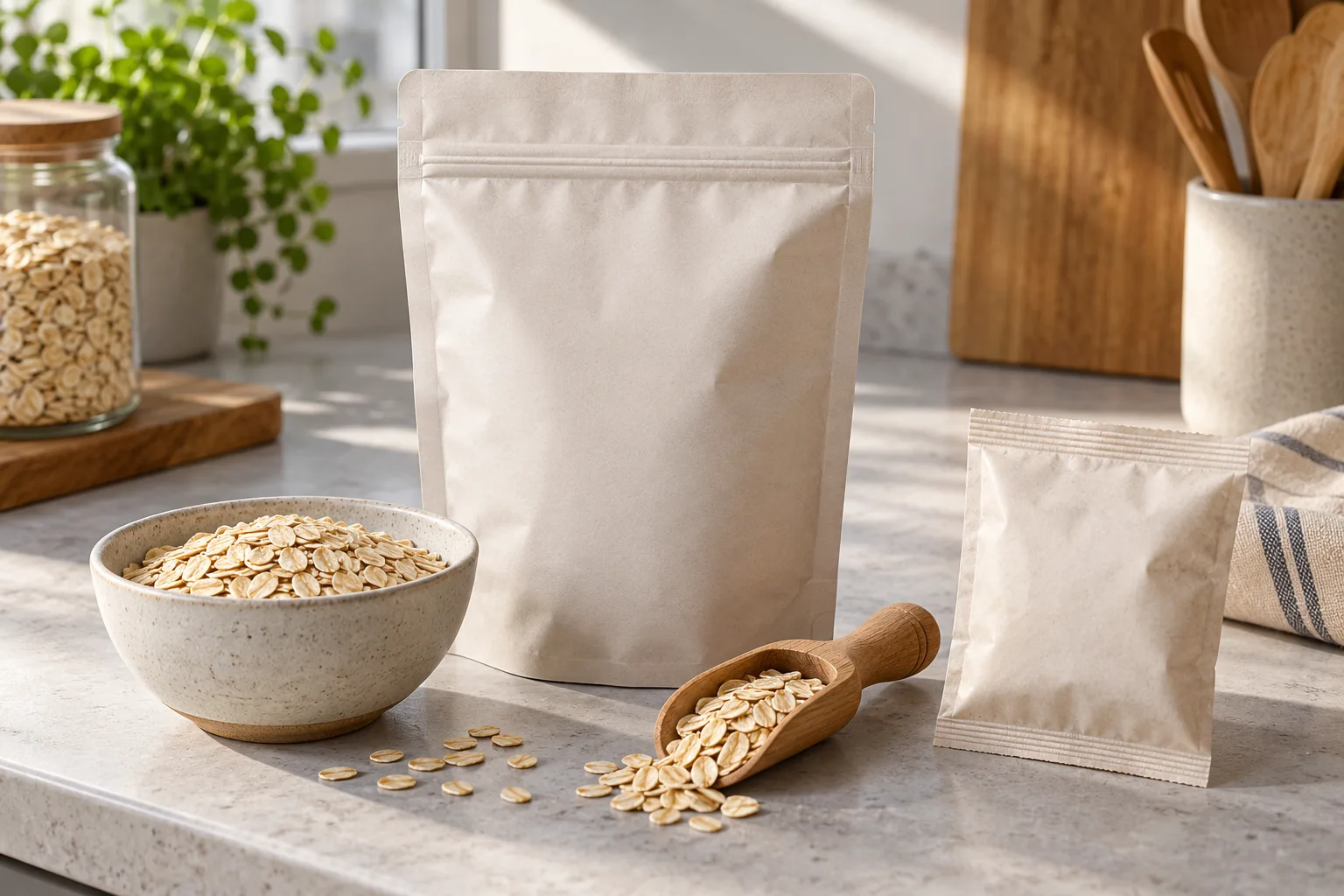
I compare a single-serve sachet with a resealable multi-serve pouch using the actual blend, serving method, and storage brief. I evaluate the full layer structure and named test conditions rather than appearance alone.
I describe the complete recipe before asking for material options. I list oats, powdered ingredients, dried inclusions, and any surface oil or flavor coating. I also identify whether those ingredients settle during handling. A nominal fill weight does not tell me the volume the blend will occupy, so I measure representative loose fills instead of choosing dimensions from a photograph.
I compare the customer task
| Format | Suitable project question | Trial I request |
|---|---|---|
| Single-serve sachet | Will the customer pour one portion into a bowl? | Opening, complete discharge, and seal clearance |
| Resealable pouch | Will the customer scoop several servings? | Scoop access, zipper cleaning, and repeated closure |
| In-pack preparation format | Must the pack hold the specified hot food? | Confirmed intended-use scope and a dedicated preparation trial |
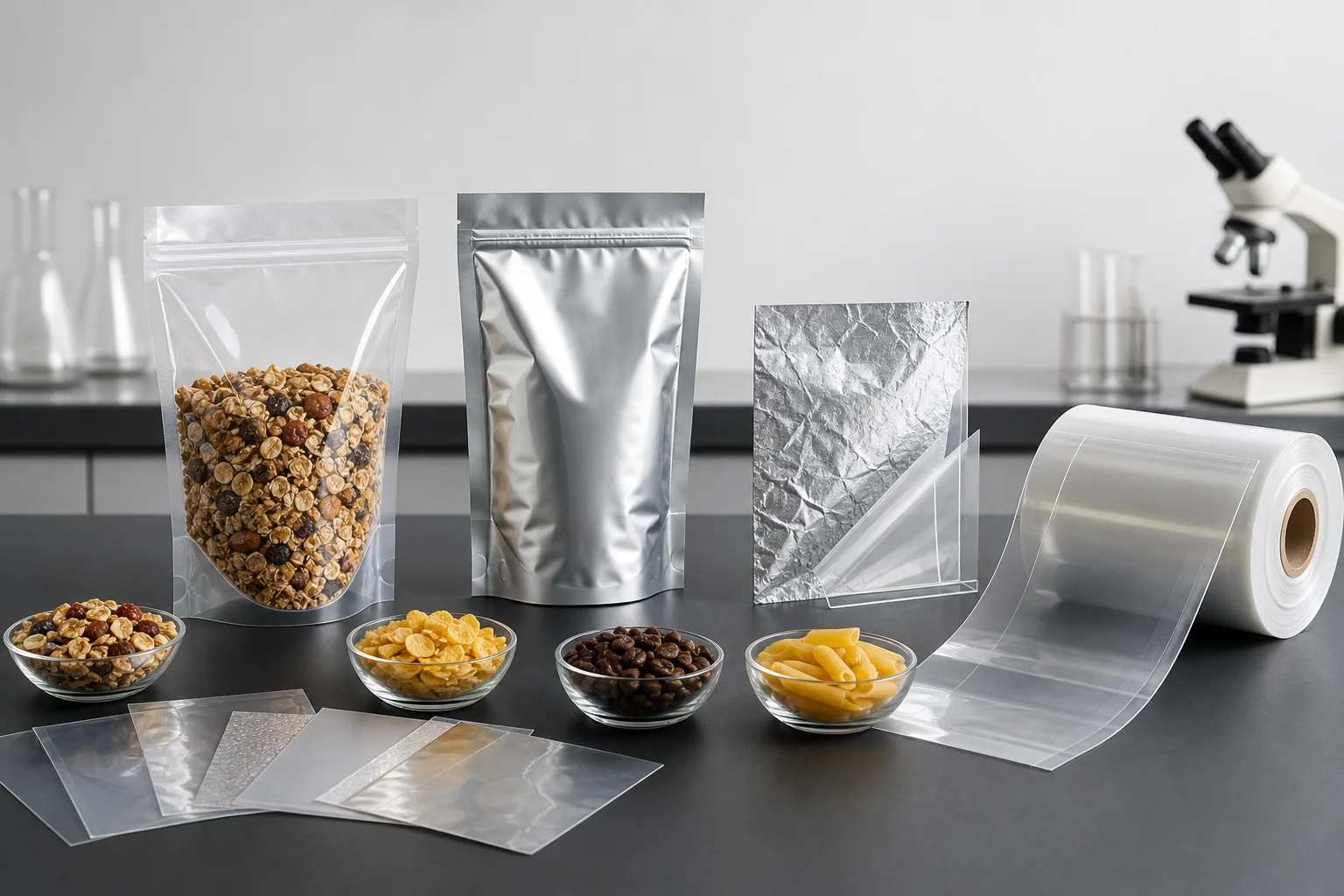
I request the layer sequence, sealant, thickness specification, and component details for each candidate. ASTM F1249 provides a method for determining water-vapor transmission through flexible barrier materials.2 When a report is relevant, I ask for the tested sample identity, temperature, humidity conditions, and agreed acceptance criterion. I do not convert an isolated film result into a finished-oatmeal shelf-life promise.
I use the food barrier-film guide to organize that comparison. I keep convenience, protection, and preparation scope as separate decisions. A clear panel might help shoppers inspect the blend, but I still need evidence for the construction with that panel. A resealable feature might fit multi-serve use, but it also needs a trial with the chosen scoop and dry ingredients. I approve the configuration that answers the brief with the fewest unresolved assumptions.
How Do I Test Filling, Sealing, and Opening?
A neat hand-filled sample can hide dust, trapped oat flakes, and difficult discharge on the intended packing line.
I run representative fills through the intended sealing setup, inspect the seal zone, and check opening and discharge. I record the recipe, pack, settings, sample conditions, and failure observations together.
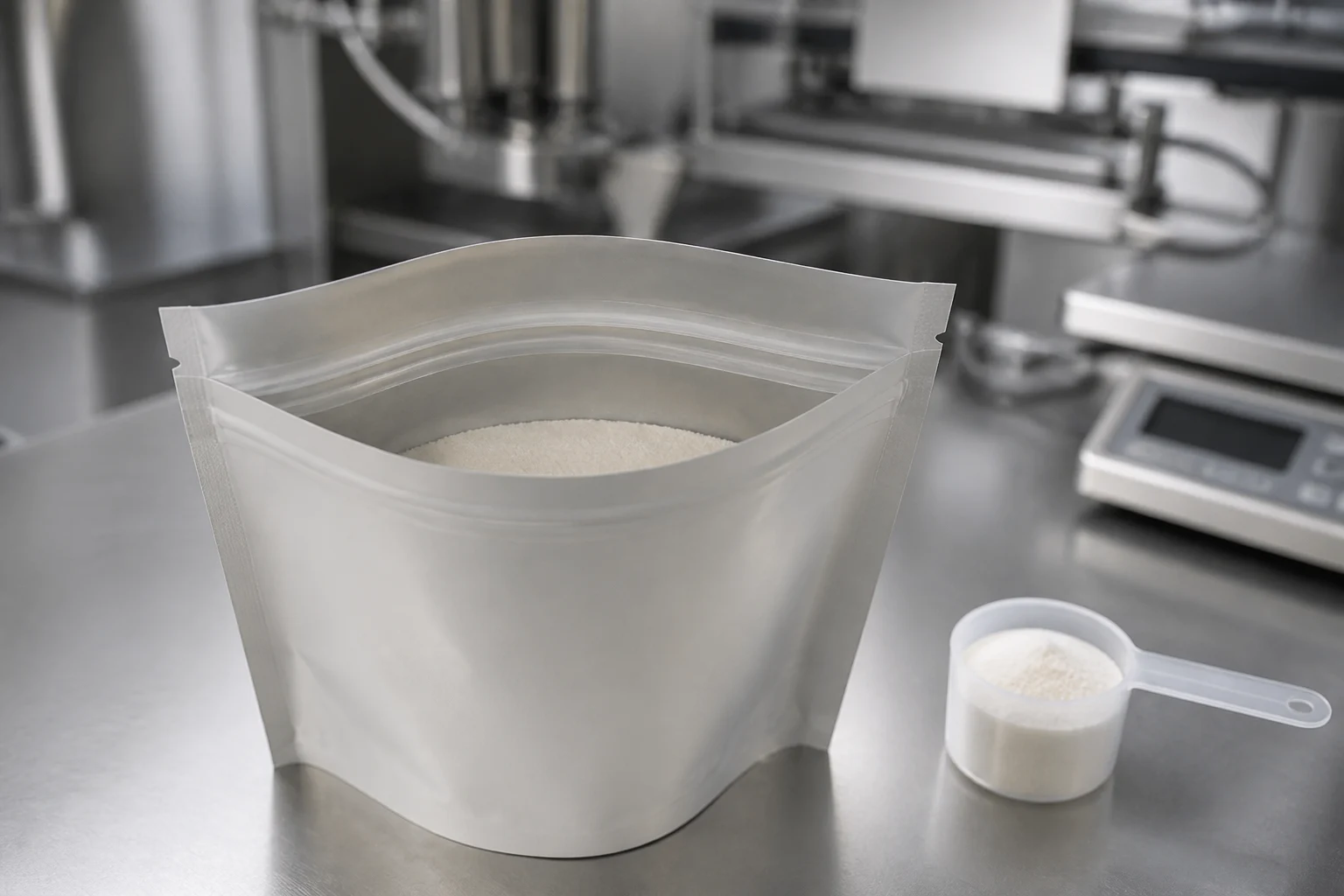
I ask the packer to use the actual breakfast blend and planned portion range. I want to see how flakes and fine powder behave near the opening. I inspect whether ingredients catch in the seal zone, whether the pouch mouth remains accessible, and whether the portion fits without forcing product into the top seal. I record these observations before changing the pouch dimensions.
For a multi-serve pouch, I include a clean scoop and an ordinary opening sequence. I ask the tester to pour, scoop, and close the zipper using the product. I observe whether loose flakes prevent closure or whether the opening feels too narrow. For a sachet, I check tear initiation and how much product remains after a normal pour. These are project trials, not claims about every customer.
I separate seal strength from product usability
ASTM F88/F88M measures seal strength and identifies the specimen failure mode.3 If I request that comparison, I record specimen dimensions, support technique, test speed, conditioning, and the location sampled. I agree the test plan with the laboratory and packer instead of borrowing a numerical limit from another pack.
I also retain visible observations: wrinkles, trapped flakes, dust streaks, poor tear control, and incomplete closure. The seal-contamination guide helps turn a repeatable problem into a specific corrective trial. I change one relevant variable at a time, then repeat the affected checks. A wider mouth may improve filling access; a different seal position may improve clearance. Neither change receives approval until the resulting filled sample meets the written project criteria.
What Should I Confirm Before an Oatmeal-Pouch Quote?
A quotation cannot describe a repeatable oatmeal pack when serving instructions, components, and approval criteria are missing.
I confirm the recipe, fill range, preparation route, dimensions, layer structure, closure, food-contact scope, and accepted filled sample. I request prices and timing against that written configuration.
I organize the buying sequence around four decisions. First, I assess materials for the actual dry blend and intended use. Second, I review representative filled samples with the packer. Third, I confirm the accepted configuration in writing. Finally, I ask for a quotation tied to that record. This sequence prevents a pleasant-looking sample from becoming the entire purchase specification.
I make the handover usable
My checklist includes the recipe revision, fill range, dimensions, gusset if present, layer sequence, sealant, zipper detail, notch position, and artwork revision. I attach the preparation instructions and target market. I record the filling equipment and settings used in the accepted trial. I include the test method, conditions, acceptance criteria, sample identifier, and who owns each approval.
I use the packaging specification sheet to keep those fields together. I distinguish a buyer’s requested shelf-life target from a validated outcome. I also distinguish a desired order date from a supplier’s confirmed production schedule. Those distinctions matter when commercial teams reuse the same document later.
I ask suppliers to state quantity per design, quotation assumptions, sample scope, and any proposed substitution. I do not supply a universal MOQ, price, or lead time for oatmeal pouches. The answer belongs to the defined project. If the recipe, preparation instruction, sealant, or closure changes, I identify which approvals must be repeated. Once the brief is ready, I can send the sample identifiers and open questions through the packaging inquiry form. The useful next step is a review of that exact brief, followed by a comparable quotation.
Conclusion
I choose packaging through evidence, filled-pack testing, and clear specifications. That process protects the product, the launch, and the customer experience.
Sources and Further Reading
Need a pouch specification?
I can review your product, size, quantity, artwork, and target market.