A clear food-pouch window can help shoppers see the product, yet the wrong size, location, or film can compromise the protection the pouch needs.
I choose a food-pouch window after I define the product’s visibility goal, protection needs, pouch format, window location, laminate structure, filling route, and filled-pack validation plan.
I treat the pouch as a complete system. I confirm the product, material, filling, handling, and customer experience before I approve production.
What Job Should the Window Do?
A window can support product recognition, but it should solve a clear buying or handling need rather than become an untested decorative cutout.
I define whether the window must show product form, fill level, color, inclusions, or another buying cue, then limit it to the area that supports that purpose.
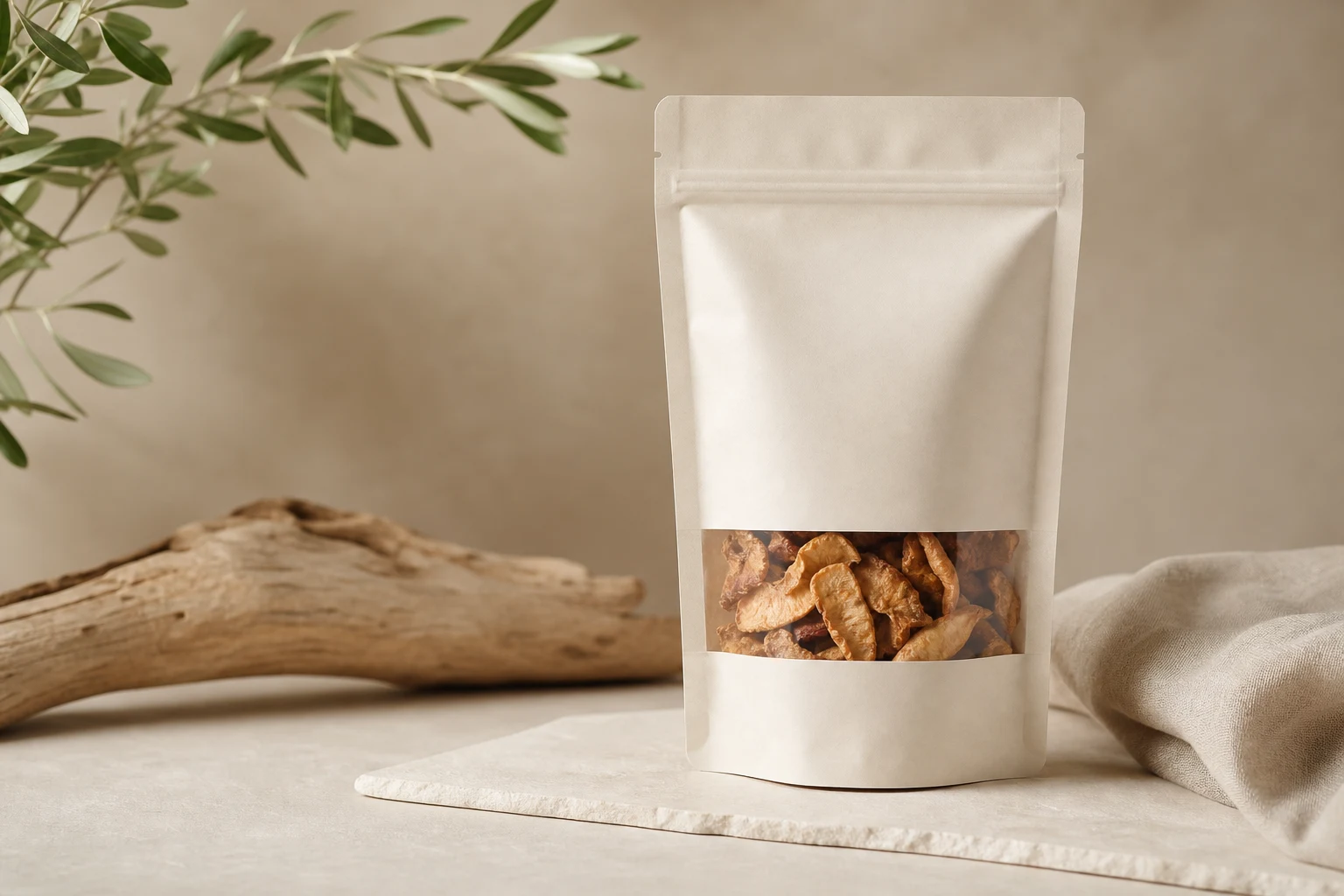
I begin with the shopper and product. Whole foods, dry snacks, tea, pet treats, and powders can each show different useful cues through a window. I ask whether visibility will help the buyer understand the product or expose a natural variation the brand needs to explain. I place the window on a stable panel where it remains useful after filling, standing, and cartoning rather than across a fold, seal, zipper, or gusset.
How I make this decision specific
For “What Job Should the Window Do?” in this how do i choose a window for a food pouch review, I define the actual product, pouch configuration, intended use, and decision owner before I ask a supplier or tester for evidence. I keep the selected structure, component details, sample condition, and any stated test method together, then compare the result with the buyer’s actual route rather than a catalogue promise. That record lets me use the food barrier-film guide as a decision aid and retain a specification that another team member can check.
For How Do I Choose a Window for a Food Pouch, I state what is known, the condition it applies to, and what must still be checked with the actual product. I do not transfer a number, a test result, or a feature choice from another product simply because its pouch looks similar. The result of “What Job Should the Window Do?” should give the buyer a clear next check, the supplier a precise request, and the project owner a record of the remaining uncertainty.
For How Do I Choose a Window for a Food Pouch, I request the exact pouch structure, component specification, and test conditions from the supplier. A broad material name or catalogue claim is not a production specification. The right next step is a representative filled sample, where relevant, with observations recorded before production is approved.
How Do I Balance Visibility and Barrier?
A larger clear area can change the package’s light, gas, aroma, moisture, or mechanical exposure, so visibility cannot be specified independently of protection.
I choose the window material and area from the actual product sensitivity, shelf condition, and required protection, then validate the complete laminate instead of assuming every transparent film performs alike.
I identify what the food needs protection from and for how long. I ask about oxygen, moisture, light, aroma, grease, puncture, temperature, and storage route. A transparent window may be compatible with the required structure, but I do not describe it as high barrier without the actual material, conditions, and evidence. I compare the window to the rest of the pouch as one construction. The selected film, seals, folds, and window perimeter all need to work together.
How I make this decision specific
For “How Do I Balance Visibility and Barrier?” in this how do i choose a window for a food pouch review, I define the actual product, pouch configuration, intended use, and decision owner before I ask a supplier or tester for evidence. I keep the selected structure, component details, sample condition, and any stated test method together, then compare the result with the buyer’s actual route rather than a catalogue promise. That record lets me use the food barrier-film guide as a decision aid and retain a specification that another team member can check.
For How Do I Choose a Window for a Food Pouch, I state what is known, the condition it applies to, and what must still be checked with the actual product. I do not transfer a number, a test result, or a feature choice from another product simply because its pouch looks similar. The result of “How Do I Balance Visibility and Barrier?” should give the buyer a clear next check, the supplier a precise request, and the project owner a record of the remaining uncertainty.
Where Should I Place and Size the Window?
A window that crosses a seal, fold, barcode zone, or stressed corner can create both prepress and package-performance problems.
I place and size a window inside the converter’s usable panel and safe areas, clear of seals, folds, zippers, tear features, barcode zones, and other functional details.
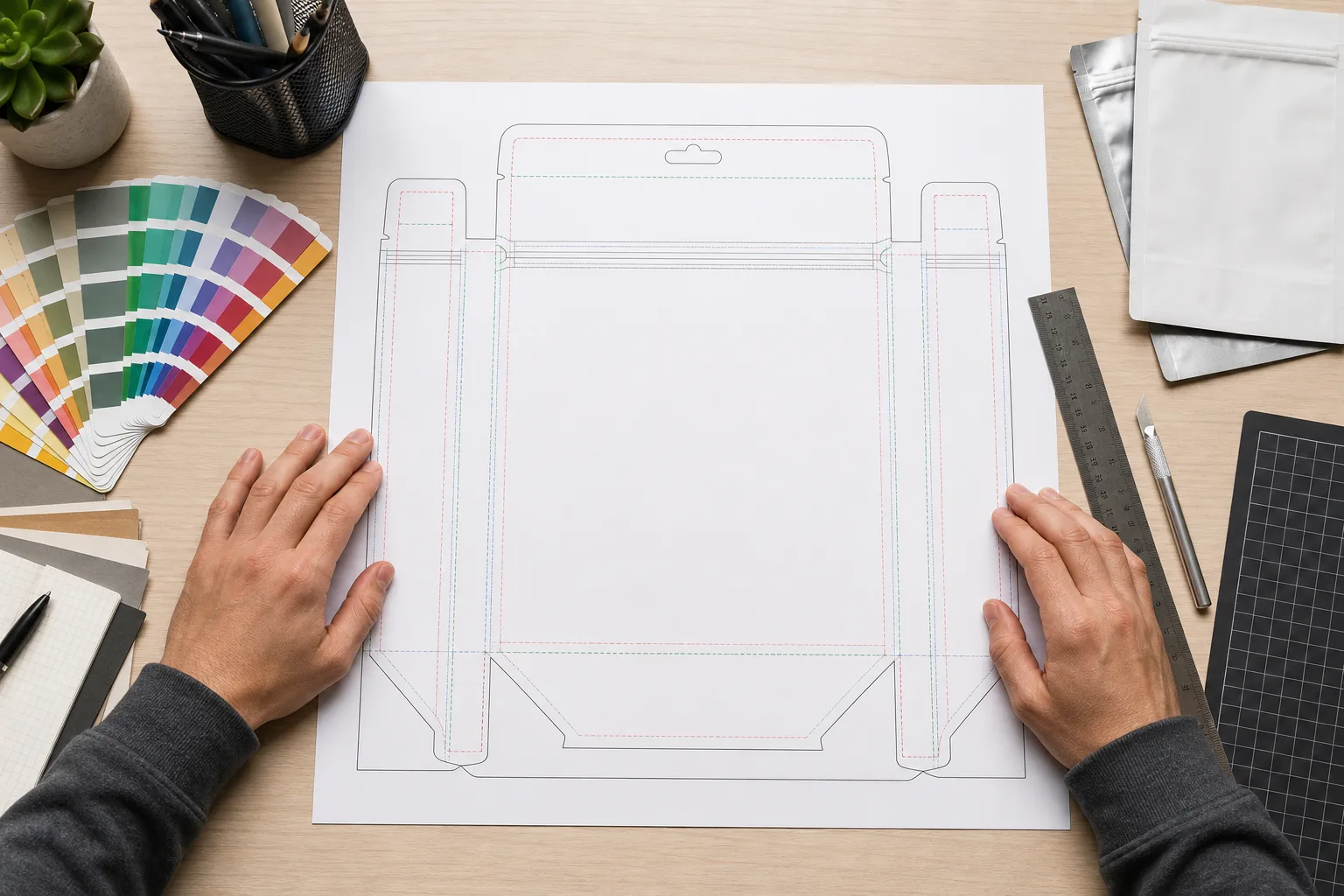
I request the current 1:1 converter dieline after pouch size, format, zipper, tear feature, and any gusset are known. Then I map the window, print, white ink, mandatory copy, and clear zones together. A stand-up pouch can look different once filled, and a side window may be hidden or distorted. I review a full-size mock-up or sample before artwork approval. If a window shape changes, I treat it as a construction and artwork change, not a cosmetic revision.
How I make this decision specific
For “Where Should I Place and Size the Window?” in this how do i choose a window for a food pouch review, I define the actual product, pouch configuration, intended use, and decision owner before I ask a supplier or tester for evidence. I keep the selected structure, component details, sample condition, and any stated test method together, then compare the result with the buyer’s actual route rather than a catalogue promise. That record lets me use the food barrier-film guide as a decision aid and retain a specification that another team member can check.
For How Do I Choose a Window for a Food Pouch, I state what is known, the condition it applies to, and what must still be checked with the actual product. I do not transfer a number, a test result, or a feature choice from another product simply because its pouch looks similar. The result of “Where Should I Place and Size the Window?” should give the buyer a clear next check, the supplier a precise request, and the project owner a record of the remaining uncertainty.
For How Do I Choose a Window for a Food Pouch, I treat the filled pack as a separate check from the material data. I record the fill condition, seal area, opening or closure behavior, carton arrangement, handling observations, and limits of the comparison. That prevents a favourable bench result from becoming an unsupported claim about shelf life, transport, or every product route.
How Do I Validate a Windowed Food Pouch?
A flat empty window can look perfect while the filled pouch wrinkles, scuffs, leaks, or exposes the product differently after ordinary handling.
I validate a windowed pouch with filled samples through sealing, storage, cartons, handling, shelf viewing, opening, and protection checks relevant to the food and route.
I make samples at the target fill weight and inspect the window after filling and settling. I inspect the perimeter, seals, folds, rub, panel shape, and product appearance in ordinary lighting. I place pouches in the intended carton and repeat checks after handling. If food needs measured barrier or shelf-life assessment, I define the product condition, method, and acceptance criteria with the relevant specialists. I retain the approved sample so a later window-film or artwork change triggers the right recheck.
How I make this decision specific
For “How Do I Validate a Windowed Food Pouch?” in this how do i choose a window for a food pouch review, I define the actual product, pouch configuration, intended use, and decision owner before I ask a supplier or tester for evidence. I keep the selected structure, component details, sample condition, and any stated test method together, then compare the result with the buyer’s actual route rather than a catalogue promise. That record lets me use the food barrier-film guide as a decision aid and retain a specification that another team member can check.
For How Do I Choose a Window for a Food Pouch, I state what is known, the condition it applies to, and what must still be checked with the actual product. I do not transfer a number, a test result, or a feature choice from another product simply because its pouch looks similar. The result of “How Do I Validate a Windowed Food Pouch?” should give the buyer a clear next check, the supplier a precise request, and the project owner a record of the remaining uncertainty.
For How Do I Choose a Window for a Food Pouch, I preserve the final decision in a written brief that names the approved sample, conditions, observations, open risks, and change triggers. I then use the custom pouch dieline guide to keep the quotation tied to the evidence rather than to a remembered sample or a generic product name.
Conclusion
I choose packaging through evidence, filled-pack testing, and clear specifications. That process protects the product, the launch, and the customer experience.
Sources and Further Reading
Need a pouch specification?
I can review your product, size, quantity, artwork, and target market.