Spice blends can clump, lose their intended aroma, or create a poor customer experience when product conditions and pouch details are treated as separate decisions.
I choose a spice-blend pouch after I define the product condition, package route, food-contact market, opening and closure use, filled-pack evidence, and written specification for the exact configuration.
I treat the pouch as a complete system. I confirm the product, material, filling, handling, and customer experience before I approve production.
What Spice-Blend Conditions Should I Define Before Buying Film?
A request for a spice pouch remains vague when it omits the blend, particle size, fill, market, storage route, opening use, and failure that matters to the brand.
I define the actual spice blend, product condition, target fill, storage and delivery route, market, customer use, and acceptance checks before I ask a supplier to recommend a pouch.
I describe the product rather than relying on the word spice. I record whole or ground ingredients, blend form, particle behaviour, approved condition, fill range, intended market, storage and delivery context, and the customer’s expected use after opening. USDA FSIS notes that ground spices lose aroma and flavour more quickly than whole spices, which is a reason to define product and route carefully rather than apply one generic format.1 The Reddit source adds launch-stage buyer context on budget and package reliability, not proof that one material works for every blend.2 I turn those questions into a written product brief before ordering samples.
How I make this decision specific
For “What Spice-Blend Conditions Should I Define Before Buying Film?” in this how do i choose a flexible pouch for spice blends review, I define the actual product, pouch configuration, intended use, and decision owner before I ask a supplier or tester for evidence. I keep the selected structure, component details, sample condition, and any stated test method together, then compare the result with the buyer’s actual route rather than a catalogue promise. That record lets me use the best barrier film for food packaging guide as a decision aid and retain a specification that another team member can check.
For How Do I Choose a Flexible Pouch for Spice Blends, I state what is known, the condition it applies to, and what must still be checked with the actual product. I do not transfer a number, a test result, or a feature choice from another product simply because its pouch looks similar. The result of “What Spice-Blend Conditions Should I Define Before Buying Film?” should give the buyer a clear next check, the supplier a precise request, and the project owner a record of the remaining uncertainty.
For How Do I Choose a Flexible Pouch for Spice Blends, I request the exact pouch structure, component specification, and test conditions from the supplier. A broad material name or catalogue claim is not a production specification. The right next step is a representative filled sample, where relevant, with observations recorded before production is approved.
Which Pouch Construction and User Features Should I Compare?
A pouch may look premium yet frustrate customers when its fill height, top seal, tear feature, zipper, pouring path, and panel layout are not reviewed together.
I compare the proposed format, dimensions, film sequence, sealant, top-seal zone, tear feature, zipper position, food-contact scope, and filled usability on the exact project.
I inspect a blank sample and a marked dieline before I approve artwork. I look for adequate top-seal room, a clear tear path, a zipper position that does not block pouring, and safe areas that stay clear of folds, seals, codes, and functional components. I use the custom pouch dieline guide to keep the artwork review practical. FDA explains that food packaging and components can be food-contact substances, so I request documentation that covers the selected construction and intended use.3 I avoid generic food-grade or resealable claims and test the selected feature with the actual product.
How I make this decision specific
For “Which Pouch Construction and User Features Should I Compare?” in this how do i choose a flexible pouch for spice blends review, I define the actual product, pouch configuration, intended use, and decision owner before I ask a supplier or tester for evidence. I keep the selected structure, component details, sample condition, and any stated test method together, then compare the result with the buyer’s actual route rather than a catalogue promise. That record gives the buyer a decision aid and a specification that another team member can check.
For How Do I Choose a Flexible Pouch for Spice Blends, I state what is known, the condition it applies to, and what must still be checked with the actual product. I do not transfer a number, a test result, or a feature choice from another product simply because its pouch looks similar. The result of “Which Pouch Construction and User Features Should I Compare?” should give the buyer a clear next check, the supplier a precise request, and the project owner a record of the remaining uncertainty.
How Do I Test a Filled Spice Pouch Before Production?
An empty pouch can hide powder near the seal, zipper interference, poor opening, unstable panels, carton abrasion, and a pouring experience that customers dislike.
I evaluate representative filled, sealed, cartoned, handled, opened, poured, and reclosed pouches under stated conditions before I approve the selected configuration.
I fill the proposed format with the actual blend and target range, then inspect seal cleanliness, powder location, tear start, zipper access, pouch footprint, panel appearance, carton fit, and the customer’s opening and pouring sequence. ASTM F88/F88M describes a method for measuring flexible-barrier seal strength and identifying failure mode.4 I use a defined method only when the project needs comparable data; I do not turn it into a total package, food-safety, or shelf-life claim. The seal-leak guide helps me document specific observations and next checks.
How I make this decision specific
For “How Do I Test a Filled Spice Pouch Before Production?” in this how do i choose a flexible pouch for spice blends review, I define the actual product, pouch configuration, intended use, and decision owner before I ask a supplier or tester for evidence. I keep the selected structure, component details, sample condition, and any stated test method together, then compare the result with the buyer’s actual route rather than a catalogue promise. That record gives the buyer a decision aid and a specification that another team member can check.
For How Do I Choose a Flexible Pouch for Spice Blends, I state what is known, the condition it applies to, and what must still be checked with the actual product. I do not transfer a number, a test result, or a feature choice from another product simply because its pouch looks similar. The result of “How Do I Test a Filled Spice Pouch Before Production?” should give the buyer a clear next check, the supplier a precise request, and the project owner a record of the remaining uncertainty.
For How Do I Choose a Flexible Pouch for Spice Blends, I treat the filled pack as a separate check from the material data. I record the fill condition, seal area, opening or closure behavior, carton arrangement, handling observations, and limits of the comparison. That prevents a favourable bench result from becoming an unsupported claim about shelf life, transport, or every product route.
What Should I Include in a Spice-Pouch Purchase Specification?
A sample cannot become a reliable repeat order if the brief omits product condition, pouch construction, closure, sample evidence, carton plan, and the changes that require revalidation.
I write the product and fill condition, pouch format and construction, food-contact market, opening and closure features, approved sample, carton plan, acceptance criteria, and reapproval triggers together.
I give procurement a specification that a supplier can quote consistently. It names the blend and target fill, pouch dimensions, construction, sealant, closure and opening features, print revision, product-contact market, sample condition, carton configuration, observations, acceptance decision, and open risks. I identify likely failure modes such as powder contamination in seals, tear-path failure, zipper obstruction, poor pour control, carton abrasion, or a mismatch between the selected material documents and intended use. Then I connect material assessment, a representative filled-pack trial, written confirmation, and a quote on this same basis. The result is conditional and traceable, not a generic promise about aroma or shelf life.
How I make this decision specific
| Specification item | Evidence I retain | Decision it supports |
|---|---|---|
| Blend and route | Product condition, fill, market and handling context. | Relevant pouch comparison. |
| Pouch features | Construction, seal zone, tear and zipper details. | Usability review. |
| Filled-pack trial | Sample, carton, observations and limits. | Conditional approval. |
| Change control | Named reapproval triggers. | Specification-based quote. |
For “What Should I Include in a Spice-Pouch Purchase Specification?” in this how do i choose a flexible pouch for spice blends review, I define the actual product, pouch configuration, intended use, and decision owner before I ask a supplier or tester for evidence. I keep the selected structure, component details, sample condition, and any stated test method together, then compare the result with the buyer’s actual route rather than a catalogue promise. That record gives the buyer a decision aid and a specification that another team member can check.
For How Do I Choose a Flexible Pouch for Spice Blends, I state what is known, the condition it applies to, and what must still be checked with the actual product. I do not transfer a number, a test result, or a feature choice from another product simply because its pouch looks similar. The result of “What Should I Include in a Spice-Pouch Purchase Specification?” should give the buyer a clear next check, the supplier a precise request, and the project owner a record of the remaining uncertainty.
For How Do I Choose a Flexible Pouch for Spice Blends, I preserve the final decision in a written brief that names the approved sample, conditions, observations, open risks, and change triggers. I then use the packaging specification-sheet guide to keep the quotation tied to the evidence rather than to a remembered sample or a generic product name.
Conclusion
I choose packaging through evidence, filled-pack testing, and clear specifications. That process protects the product, the launch, and the customer experience.
Sources and Further Reading
- USDA FSIS, Will spices used beyond their expiration date be safe?.
- Reddit r/smallbusiness, spice-business packaging community discussion.
- FDA, Food Packaging and Other Substances that Come in Contact with Food.
- ASTM F88/F88M, Seal Strength of Flexible Barrier Materials.
- Unique Packaging barrier-film guide.
- Unique Packaging packaging specification-sheet guide.
Need a pouch specification?
I can review your product, size, quantity, artwork, and target market.
Related Packaging Guides
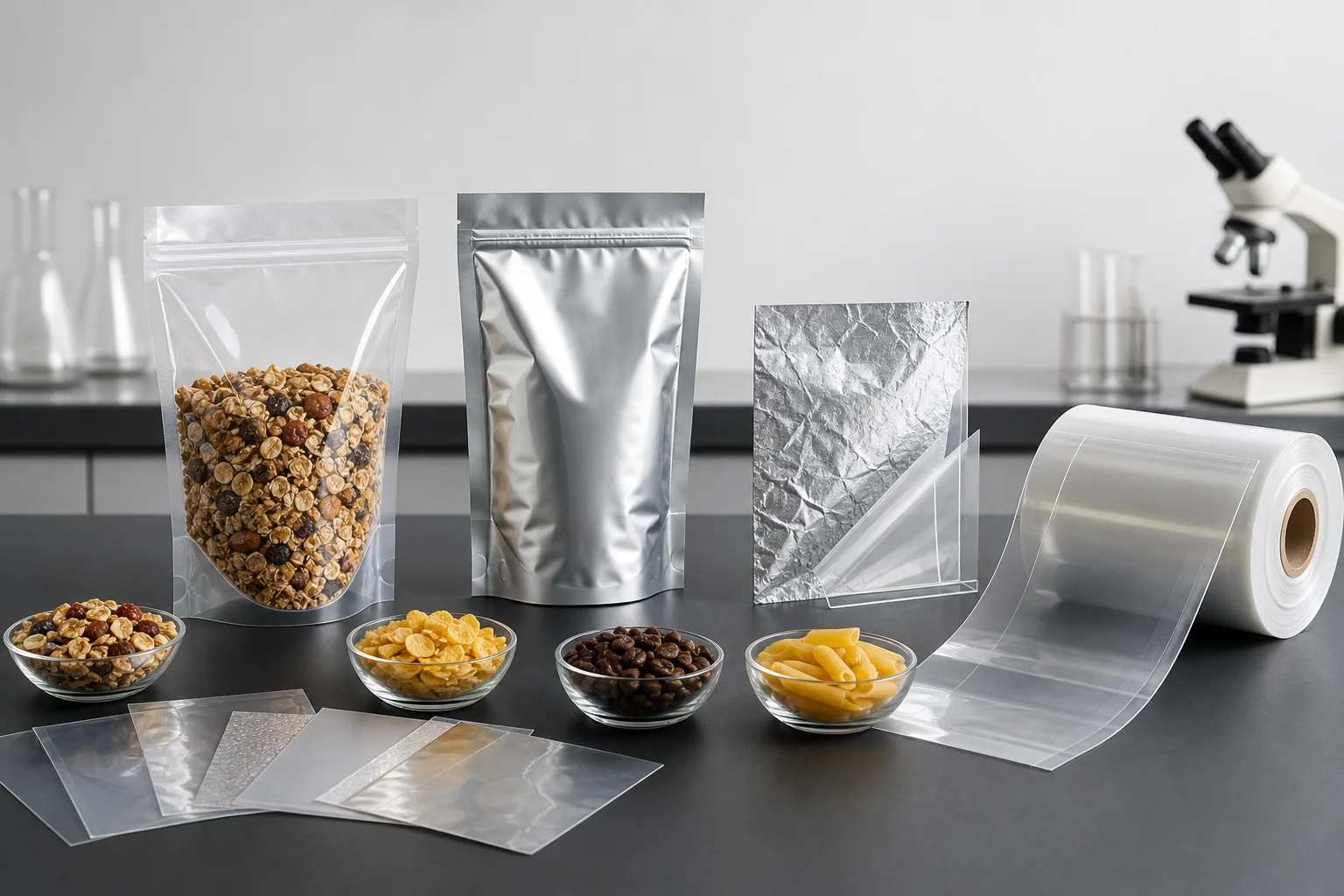
Which Barrier Films Work Best for Food Packaging?

What Should a Flexible Packaging Specification Sheet Include?
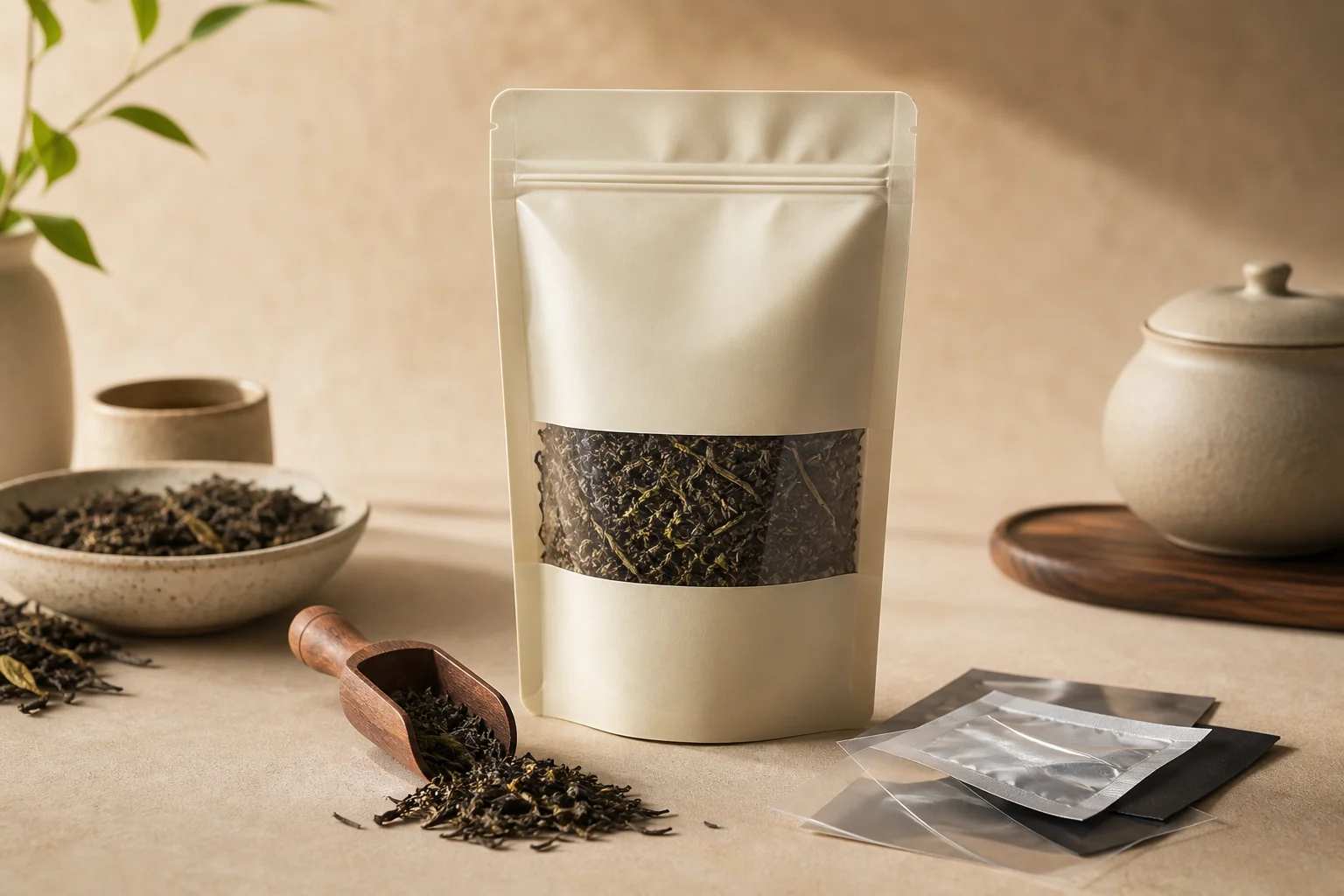
How Do I Choose Packaging for Tea and Herbal Blends?
How Do I Package Fruit-and-Spice Mouth Fresheners in a Stand-Up Pouch?